There’s a certain magic that happens when you bite into a freshly baked Madeleine. That light, airy texture, the delicate sponge, and of course, that iconic hump. Here at Sweet Craft Recipes, we’re all about elevating classic comfort foods with a touch of unique flair. And today, I, Sofie, am absolutely thrilled to share my thoroughly tested (and re-tested, sometimes nine times over!) recipe for Rose Water and Vanilla Madeleines.
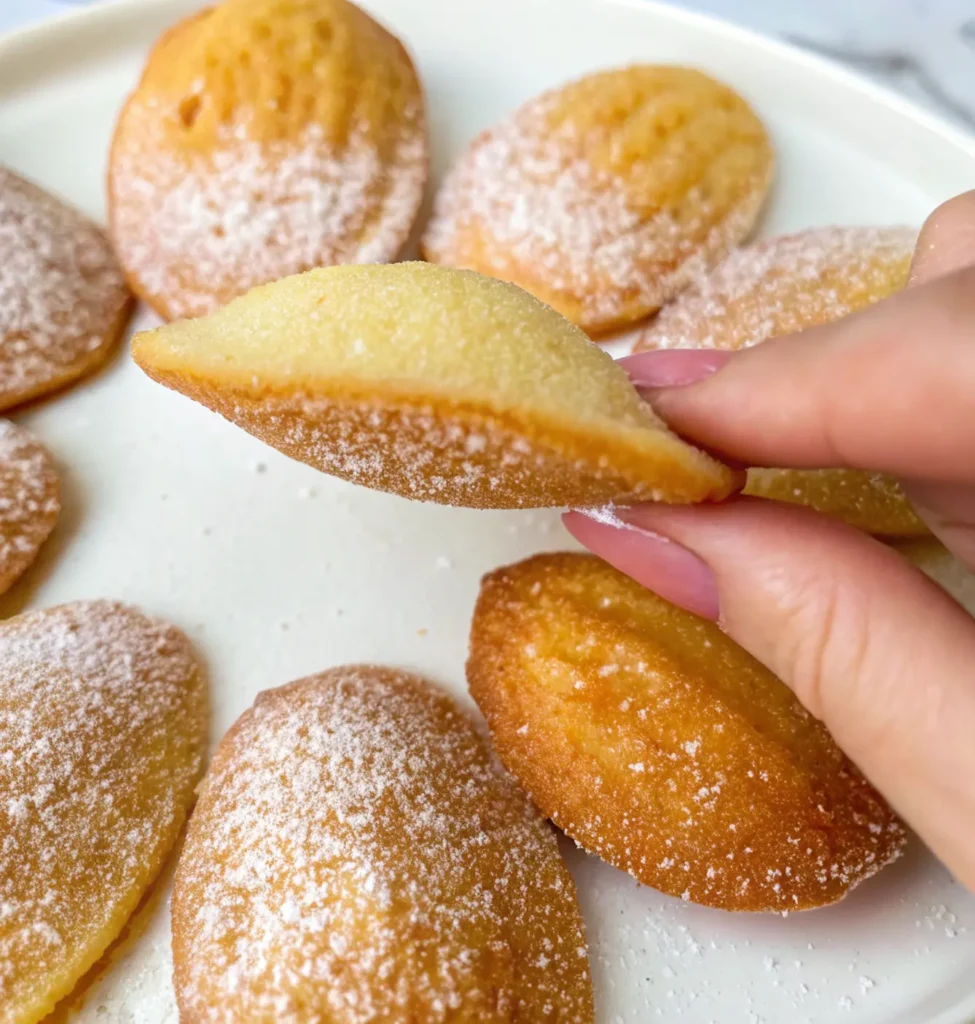
These aren’t just any Madeleines. They’re a symphony of subtle floral notes from the rose water, perfectly balanced by the warm, familiar embrace of vanilla. It’s a comforting flavor combination that feels both traditional and wonderfully sophisticated, making them perfect for family gatherings, a quiet afternoon tea, or simply a treat for yourself. Imagine serving these elegant little cakes, perhaps still warm from the oven, dusted lightly with powdered sugar – pure bliss!
A Culinary Hug: Why These Madeleines are My Go-To
As a recipe developer, there are some dishes that just speak to your soul. For me, Madeleines hold a special place. They represent a blend of simplicity and elegance, a testament to how humble ingredients can create something truly extraordinary. My journey with this particular Rose Water and Vanilla Madeleine recipe has been one of pure passion. I’ve tweaked, tested, and tasted more than nine batches to ensure every single detail, from the chilling time to the oven temperature, yields that perfect golden shell and soft, delicate interior.
The inspiration? I adore the subtle perfume that rose water brings to desserts – it’s a taste of the exotic, but when paired with classic vanilla, it becomes incredibly comforting and approachable. This combination makes these Madeleines a true comfort-food favorite, but with a refined, healthy twist in their delicate portion size and fresh ingredients. My family, especially during our Sunday gatherings, can’t get enough of them!
If you’re a home cook looking to impress without the stress, or simply want to explore new flavors, you’ve come to the right place. Let’s dive into what makes these Madeleines so special and how you can recreate this delicate perfection in your own kitchen.
What Exactly is a Madeleine? Unveiling the French Secret
For those new to the world of French patisserie, a Madeleine is a traditional small sponge cake. It’s easily recognized by its distinctive shell-like shape on one side and a charming little hump on the other. Originating from Commercy and Liverdun in the Lorraine region of northeastern France, Madeleines are typically baked in special molds with shell-shaped depressions.
They are known for their light, airy texture – somewhere between a cookie and a sponge cake – and their delicate crumb. Often served as an accompaniment to coffee or tea, they embody French elegance and simplicity. While they might look fancy, the process of making them is surprisingly straightforward once you understand a few key techniques (which I’ll walk you through!).
The Harmonious Blend: Rose Water and Vanilla
Why choose rose water and vanilla for these delicate treats? It’s a pairing that offers a beautiful complexity without being overpowering.
- Rose Water: This fragrant distillate of rose petals adds an incredibly unique, slightly sweet, and floral aroma. It’s a flavor often found in Middle Eastern and Indian desserts, bringing an exotic touch that elevates the Madeleine beyond its traditional lemon or orange zest variations. Used sparingly, it provides an ethereal whisper of flavor that lingers delightfully on the palate.
- Vanilla: The classic, universally loved flavor of vanilla bean extract acts as the perfect grounding agent. Its warm, sweet, and familiar notes provide a comforting counterpoint to the more adventurous rose water, ensuring the Madeleines are inviting and appealing to all. It ties the floral notes into a coherent, delicious whole, making them truly irresistible.
This combination makes for a Madeleine that is both sophisticated and incredibly comforting – a true sweet craft recipe!
Gathering Your Essentials: The Ingredients Breakdown
Creating these Rose Water and Vanilla Madeleines relies on a few simple, high-quality ingredients. Let’s talk about each one and why it matters:
- Unsalted Butter (Melted): Butter is the heart of a good Madeleine, contributing to its rich flavor and tender crumb. Using unsalted butter allows you to control the salt content in the recipe. Make sure it’s melted and slightly cooled before incorporating; hot butter can cook the eggs.
- Eggs (Room Temperature): Room temperature eggs are crucial. They emulsify better with sugar, creating a more stable and airy batter, which is key for that signature Madeleine hump. Cold eggs will result in a denser cake.
- Granulated White Sugar: Provides sweetness and helps create that airy, stable foam with the eggs, contributing to the Madeleine’s structure and browning.
- Vanilla Extract: Use a good quality pure vanilla extract for the best flavor. It’s a foundational taste here.
- Rose Water: The star! Ensure you use culinary-grade rose water, available in specialty food stores or online. A little goes a long way, so measure carefully. Too much can make your Madeleines taste soapy.
- Plain Flour: All-purpose flour is perfect here. Sifting it helps lighten the batter and prevents lumps.
- Baking Powder: Provides a gentle lift, working in conjunction with the air beaten into the eggs to give the Madeleines their light texture and helps the hump develop.
- Salt: A pinch of salt enhances all the other flavors, balancing the sweetness and bringing out the best in the rose water and vanilla.
Essential Tools for Madeleine Success
While the ingredients are simple, a few specific tools will make your Madeleine baking experience smooth and successful:
- Madeleine Pan: Absolutely essential for that iconic shell shape. They come in various sizes; a standard 12-cavity metal pan is ideal. Non-stick versions are a lifesaver.
- Electric Hand Mixer or Stand Mixer: For beating the eggs and sugar to the crucial “ribbon stage.” This step is difficult to achieve by hand.
- Large Mixing Bowls: You’ll need at least two – one for wet ingredients, one for dry, and then to combine.
- Fine-Mesh Sieve: For sifting flour, baking powder, and salt.
- Rubber Spatula: For gently folding the ingredients, preserving the air you’ve incorporated.
- Pastry Brush: For generously greasing your Madeleine pan.
- Wire Rack: For cooling the baked Madeleines.
Sofie’s Mastered Recipe: Rose Water and Vanilla Madeleines
This recipe has been refined over many batches, promising a delightful result every time.
Yield: Approximately 15 Madeleines (depending on pan size)
Prep time: 20 minutes + 1 hour chilling
Cook time: 10-12 minutes
Ingredients:
- 2 Tbsp Unsalted Butter (Melted, for greasing pan)
- 100g Unsalted Butter (Melted, slightly cooled, for batter)
- 2 Eggs (Room Temperature)
- 100g Granulated White Sugar
- 1 Tsp Vanilla Extract
- 1 Tsp Rose Water
- 100g Plain Flour
- 1/4 Tsp Baking Powder
- 1/4 Tsp Salt
Instructions:
- Prepare Butter & Pan: Melt 100g unsalted butter and set aside to cool slightly. Use the remaining 2 Tbsp melted butter to generously grease your Madeleine pan molds. Dust lightly with flour, tapping out excess. Sofie’s Tip: For the best hump, refrigerate the prepared pan while you make the batter. A cold pan helps create that thermal shock!
- Whisk Wet Ingredients: In a large mixing bowl, combine the 2 room temperature eggs and 100g granulated white sugar. Using a handheld electric mixer (or stand mixer with whisk attachment), beat on high speed for 5-7 minutes until the mixture is very pale, thick, and forms a “ribbon” when the whisk is lifted (it should hold its shape for a few seconds before disappearing back into the batter). This step incorporates maximum air and is crucial for the Madeleine’s texture and hump.
- Add Flavorings: Gently fold in the 1 Tsp Vanilla Extract and 1 Tsp Rose Water into the egg mixture until just combined. Be delicate to maintain the air.
- Sift Dry Ingredients: In a separate medium bowl, sift together the 100g plain flour, 1/4 Tsp baking powder, and 1/4 Tsp salt. Sifting prevents lumps and contributes to an even rise.
- Combine Batter: Gradually add the sifted dry ingredients into the egg mixture, folding gently with a spatula until just combined. Sofie’s Warning: Do not overmix! Overmixing develops gluten, leading to tough Madeleines. Stop as soon as no dry streaks remain.
- Fold in Butter: Gently fold the slightly cooled melted butter (100g) into the batter until fully incorporated and smooth. Again, be gentle and avoid overmixing.
- Chill the Batter (Crucial Step): Cover the bowl with plastic wrap and refrigerate the batter for at least 1 hour, or ideally 2-3 hours. Sofie’s Golden Rule: This chilling step is vital for two reasons – it allows the flavors to meld beautifully and, more importantly, it firms up the butter in the batter, which is key for creating the distinctive ‘hump’ during baking.
- Preheat Oven & Prep Pans: After chilling, preheat your oven to 175°C (350°F). Remove the chilled Madeleine pan from the refrigerator.
- Fill Molds: Spoon about 1 tablespoon (or a generous half-full scoop) of the cold batter into each mold of the prepared Madeleine pan. Do not overfill, as the batter will spread and rise.
- Bake: Place the Madeleine pan in the preheated oven and bake for 10-12 minutes, or until the edges are golden brown and the Madeleines have developed their characteristic ‘hump’ in the center. A wooden skewer inserted into the center should come out clean.
- Cool & Unmold: Let the Madeleines cool in the pan for 1-2 minutes before gently tapping them out onto a wire rack to cool completely.
- Serve: Dust with powdered sugar (optional) or a light glaze (see notes for ideas) and serve immediately.
Nutrition Facts (per Madeleine, approx. 15 per batch):
- Calories: 90
- Fat: 6 g
- Protein: 1 g
- Carbohydrates: 8 g
- Saturated Fat: 3.5 g
- Cholesterol: 25 mg
- Sodium: 45 mg
- Fiber: 0.2 g
- Sugar: 6 g
- Calcium: 15 mg
- Iron: 0.4 mg
Please note: Nutritional values are approximate and may vary based on specific ingredient brands and preparation methods.
Sofie’s Top Tips for the Perfect Madeleine Hump
Achieving that perfectly puffed ‘hump’ is often considered the mark of a successful Madeleine. After countless batches, here are my tried-and-true secrets:
- Chill Your Batter (and Pan!): This is non-negotiable. Cold batter hitting a hot oven creates a thermal shock that forces the center to rise quickly, forming the hump. Chilling your buttered and floured pan also aids in this effect.
- Beat Eggs and Sugar Thoroughly: Don’t skimp on the whisking time in step 2. The batter needs to be thick, pale, and hold a “ribbon” to capture enough air for a light texture and good rise.
- Don’t Overmix Dry Ingredients or Butter: Once the flour and butter are added, fold gently and only until just combined. Overmixing develops gluten, which can lead to tough Madeleines and deflate the air you’ve painstakingly beaten in.
- Preheat Oven Properly: Ensure your oven is fully preheated to 175°C (350°F). A consistent, hot temperature is key.
- Don’t Overfill Molds: About 1 tablespoon or a generous half-full scoop is all you need. Overfilling will result in flat, shapeless Madeleines.
Troubleshooting Common Madeleine Mistakes
Even seasoned bakers have off days! Here are solutions to common Madeleine problems:
- No Hump: This is usually due to insufficient chilling of the batter, an oven that isn’t hot enough, or overmixing the batter after adding flour. Revisit Sofie’s Golden Rules above!
- Tough Madeleines: Almost always a sign of overmixing the batter, which overdevelops the gluten in the flour. Mix only until just combined.
- Sticking to the Pan: You didn’t grease and flour the pan thoroughly enough. Some bakers even freeze their buttered and floured pans for extra non-stick insurance. Using a non-stick Madeleine pan also helps immensely.
- Madeleines are Flat: Similar to having no hump, this can be caused by not beating enough air into the eggs and sugar, or by deflating the batter through aggressive mixing.
- Taste is too Soapy (from rose water): You’ve likely added too much rose water. It’s a potent flavor; measure precisely.
Creative Variations & Flavor Swaps
While the Rose Water and Vanilla combination is pure magic, part of the joy of baking is customization! Here are a few ideas to inspire you:
- Citrus Zest: Replace rose water with 1 teaspoon of lemon, orange, or lime zest for a brighter, more classic flavor.
- Almond Extract: A few drops of almond extract instead of rose water creates an entirely different, nutty profile that pairs wonderfully with vanilla.
- Matcha Madeleines: Infuse 1-2 teaspoons of culinary-grade matcha powder with a tablespoon of warm milk before folding into the batter for a beautiful green hue and earthy flavor.
- Chocolate Dipped: Dip one end of the cooled Madeleines in melted dark or white chocolate and sprinkle with pistachios or edible rose petals for an elegant finish.
- Spice Infusion: Add a pinch of cardamom or cinnamon to the dry ingredients for a warm, spiced Madeleine perfect for cooler months.
If you enjoy experimenting with unique cookie and dessert flavors, you might also love exploring our other specialty cookie recipes! Our Stuffed Red Velvet Cookies offer a rich, decadent experience, while our Pistachio NYC Cookies are chewy, chunky, and incredibly satisfying. For a truly indulgent treat, check out our Creme Egg Stuffed Cookies or the classic comfort of a Peanut Butter Nutella Cookie. And for those who adore a melty surprise, our White Chocolate Stuffed Cookies are a must-try!
Serving Suggestions & Presentation
These Madeleines are beautiful enough to stand alone, but a little presentation can go a long way:
- Simple Dusting: A light dusting of powdered sugar just before serving is classic and elegant.
- Rose Water Glaze: For an extra layer of flavor and a touch of sweetness, whisk together 1/2 cup powdered sugar with 1 tsp rose water and 1-2 tsp milk or water until smooth. Drizzle over cooled Madeleines.
- Tea or Coffee Companion: Serve alongside a cup of your favorite tea (especially Earl Grey or a floral blend) or coffee.
- Dessert Platter: Arrange them on a platter with fresh berries, a dollop of whipped cream, or a small scoop of vanilla bean ice cream for a sophisticated dessert.
- Gift Idea: Package a small batch in a pretty box with a ribbon for a thoughtful homemade gift.
Storage & Make-Ahead Tips
Madeleines are notoriously best on the day they are baked. Their delicate, airy texture is at its peak when fresh.
- Storage: If you have leftovers (which is rare!), store them in an airtight container at room temperature for up to 2-3 days. They will lose some of their crispness and become slightly softer, but will still be delicious.
- Refreshing Stale Madeleines: Lightly warm them in a microwave for 10-15 seconds or in a low oven (150°C/300°F) for 5 minutes to restore some tenderness.
- Make-Ahead Batter: The batter benefits greatly from chilling, so you can make it up to 24 hours in advance. Just store it covered in the refrigerator. This makes for quick baking on demand!
A “Healthy Twist” on a Comfort Favorite?
You might wonder how a delicate French pastry can fit into the “healthy twist” angle. While a Madeleine is undeniably a treat, its inherent qualities offer a gentler indulgence:
- Portion Control: Madeleines are naturally small, individual portions. This makes them easier to enjoy mindfully without overindulging, unlike a large slice of cake or a giant cookie.
- Fresh, Wholesome Ingredients: This recipe uses basic, fresh ingredients – butter, eggs, flour, sugar, and natural flavorings. There are no artificial additives or highly processed components.
- Light Texture: The airy, sponge-like crumb makes them feel lighter than denser cakes or cookies, satisfying a sweet craving without feeling overly heavy.
So, while not a “diet food,” these Rose Water and Vanilla Madeleines offer a balanced and elegant way to enjoy a sweet comfort, focusing on quality over quantity.
Frequently Asked Questions (FAQ)
What is a Madeleine and what makes it unique?
A Madeleine is a traditional French small sponge cake with a distinctive shell-like shape on one side and a humped back on the other. Its unique characteristics come from baking in special shell-shaped molds and a specific batter preparation technique, often involving chilling the batter to achieve the signature ‘hump’.
Can I make Madeleines without a special Madeleine pan?
While you can technically bake the batter in mini muffin tins, you won’t achieve the iconic shell shape or the pronounced ‘hump’ that defines a Madeleine. For an authentic experience, a Madeleine pan is highly recommended. They are widely available and a worthwhile investment for any baking enthusiast.
How do I get the perfect ‘hump’ on my Madeleines?
Achieving the signature ‘hump’ is a hallmark of a well-made Madeleine. Sofie’s top tips include: chilling the batter thoroughly (at least 1 hour, ideally longer), ensuring your Madeleine pan is well-greased and floured (and preferably chilled), and baking the Madeleines in a hot oven (175°C/350°F) to create thermal shock, which forces the center to rise quickly.
How long do Rose Water and Vanilla Madeleines stay fresh?
Madeleines are best enjoyed the day they are baked for optimal texture and flavor. They tend to dry out quickly. If you must store them, place them in an airtight container at room temperature for up to 2-3 days. You can refresh slightly stale Madeleines by warming them briefly in a microwave or a low oven.
Where can I buy culinary-grade rose water?
Culinary-grade rose water can typically be found in specialty food stores, Middle Eastern or Indian grocery stores, or online retailers. Make sure it specifies “culinary” or “food grade” on the label, as some rose waters are intended for cosmetic or aromatherapy use and are not safe for consumption.
Final Thoughts from Sofie
Baking these Rose Water and Vanilla Madeleines is more than just following a recipe; it’s an experience. It’s about taking a moment to create something beautiful, delicate, and utterly delicious. The aroma that fills your kitchen as they bake is a reward in itself, promising the delicate treat to come.
I truly hope this detailed guide, honed through my many testing rounds, empowers you to create perfect Madeleines every time. Don’t be intimidated by their elegant appearance; with a little patience and attention to these steps, you’ll be baking these French delights like a pro.
So go ahead, preheat your oven, whisk those eggs, and embrace the joy of baking. These Madeleines are waiting to become your new favorite comfort-food indulgence. Happy baking, sweet friends!