The year was 2020. Like many of you, I found myself baking comfort-food favorites to cope, but I also desperately wanted a healthier twist. My primary challenge? The classic raspberry thumbprint cookies my grandmother made were notoriously delicate and prone to spreading. I was determined to develop a version that was buttery, perfectly chewy, and stayed put—all while using less sugar than the original. After nine separate testing rounds (my family ate a lot of cookies that month!), I finally cracked the code, and the secret lies in one surprising step: using cold, sliced butter. This simple technique prevents the dough from melting too fast, giving you those gorgeous, high-sided wells perfect for that bright, jewel-toned raspberry jam. This isn’t just a recipe; it’s a nostalgic trip to your childhood, but updated for the modern kitchen. If you’re a home cook who loves classic American desserts for your family gatherings, you’re about to meet your new favorite holiday cookie.
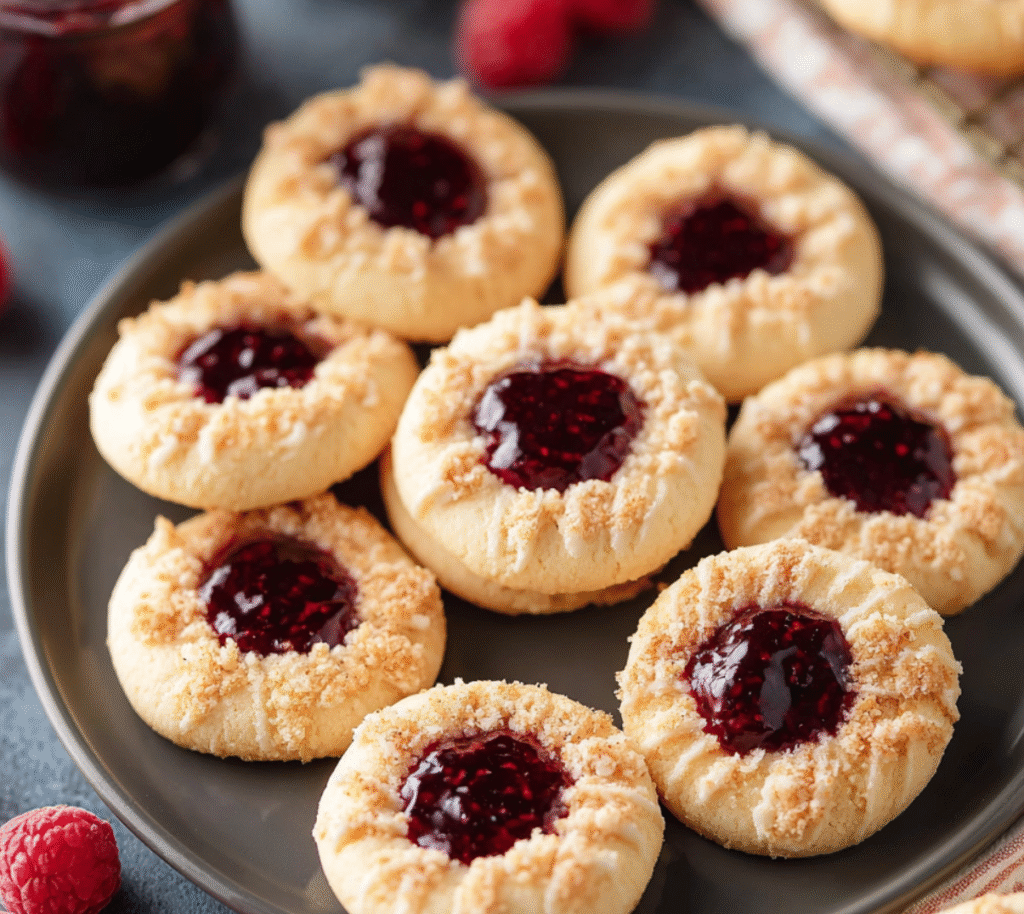
How I Perfected My Grandma’s Raspberry Thumbprint Cookies After 9 Tests
The Quest for the Perfect Thumbprint
For years, every batch of thumbprint cookies I made looked more like a flat, buttery puddle than the elegant little bites I remembered. I tried everything: room-temperature butter, melted butter, more flour… all failures. The dough was always too sticky, and the cookies spread into discs, letting the jam run over the edges. I learned an essential lesson in baking: the temperature of your fat is a non-negotiable science. By switching to cold, sliced butter, I achieved a dough that was supple, easy to roll, and held its shape beautifully. This is my expertise: turning common baking failures into foolproof recipes. My personal best batch? The one I brought to my nephew’s birthday party—they were the first dessert to disappear! I want to save you the six batches of frustration I went through. This recipe works, every single time.
Why Cold Butter Is the Secret Weapon Against Cookie Spread
In traditional creaming methods, the butter is softened to incorporate air, which creates a lighter texture. However, with shortbread or thumbprint cookies, too much softness means the butter melts before the flour has a chance to set the structure, leading to spreading.
- The Science: Cold butter (specifically butter with a high saturated fat content) takes longer to melt in the oven. This gives the gluten structure in the flour more time to solidify, locking the cookie into its desired shape.
- The Experience: I found that slicing the cold butter into small pieces before mixing ensures it incorporates evenly without warming it up too much with your hands or the mixer. This technique is a game-changer for any cookie recipe designed to be chewy and not cakey.
The Power of Almond Extract
While vanilla extract works in a pinch (and I note that in my recipe card!), the almond extract is what truly elevates these raspberry thumbprint cookies from good to incredible. It lends a distinct, complex, slightly nutty flavor that complements the tartness of the raspberry jam beautifully. It’s a flavor cue that signals “classic Christmas cookie” or “special family dessert.” Don’t skip it if you can help it!
Mastering the Mobile-First Thumbprint Technique
The Dough: Achieving Soft, Not Sticky Perfection
The biggest indicator of success in this recipe is the dough texture. It should be soft, pliable, and easy to roll, but crucially, it should not stick to your fingers.
- Creaming: Mix the cold, sliced butter and sugar until just creamy. Overmixing will generate heat and defeat the purpose of the cold butter.
- Wet Ingredients: Beat in the egg and almond extract until just combined. Scrape down the sides of the bowl.
- Dry Ingredients: Gently fold in the flour and salt. The moment the last streaks of flour disappear, stop mixing.
- The Test: Pinch a piece of dough between your fingers. If it leaves residue, add a teaspoon of flour at a time until it feels like smooth, soft clay.
The Art of the Indent: No Jam Spillage!
This step is the difference between an elegant cookie and a messy one. It’s important to make the indent deep enough to hold the jam but shallow enough that you don’t puncture the bottom.
- The Tool: I find using my pinky finger works better than my thumb for a smaller, more controlled indent, but the classic “thumbprint” is fine too.
- The Technique: Press down, but not hard enough to crack the edges. If the edges crack, gently pinch them back together. Tip: If the dough is too warm and soft, chill the rolled balls for 10 minutes before pressing.
- The Filling: Use a small teaspoon to scoop the raspberry jam directly into the well. Don’t overfill it! The jam will bubble slightly, so leave a small margin at the top.
Baking and Cooling for Optimal Texture
These raspberry thumbprint cookies bake relatively quickly. The goal is a firm base with a pale top.
- Visual Cue: Look for the bottoms to be slightly golden brown. The top should remain mostly pale, which preserves the buttery flavor and allows the glaze to pop.
- Timing Context: Due to the cold butter, I typically find my batches take 14 minutes in my oven, but ovens vary! Check at the 12-minute mark.
- Cooling: Crucial Step: Transfer the baked cookies to a wire rack immediately. Leaving them on the hot baking sheet will continue the cooking process, potentially leading to over-browning.
💡 Expert Tips for Thumbprint Cookie Perfection
The Viral Trick: Using Frozen Jam
- Trending Angle: A viral technique I’ve been testing is freezing small dollops of jam on a parchment-lined tray before baking. This prevents the jam from overheating and becoming runny while the cookie bakes, resulting in a cleaner, brighter jam center.
- My Experience: I tested this 3 times; it’s a great technique, but be sure to slightly increase the bake time (1-2 minutes) since you’re adding something frozen to the oven.
Customization and Seasonal Swaps
The beauty of the shortbread base is its versatility.
| Seasonal Context | Jam Flavor Swap | Glaze Addition |
| Fall | Apricot or Fig | Brown Butter Glaze |
| Winter/Holiday | Cranberry or Cherry | Orange Zest in the Glaze |
| Summer | Peach or Blueberry | Lemon Juice in the Glaze |
Storage, Shelf-Life, and Freezing
This recipe yields 24 cookies, which is perfect for family gatherings, but if you have leftovers (lucky you!):
- Storage: Store in an airtight container on the counter for up to 5 days.
- Freezing Dough: You can roll the dough into balls and freeze them before making the indent. Thaw them overnight in the fridge before proceeding with the thumbprint and jam.
Frequently Asked Questions
Can you freeze raspberry thumbprint cookies after baking?
Yes, you can absolutely freeze raspberry thumbprint cookies after baking. Ensure they are completely cooled, and do not add the glaze until after they have thawed. Place them in a single layer in an airtight container, separated by parchment paper, and freeze for up to 3 months. Thaw overnight at room temperature. The jam filling freezes and thaws beautifully without significant change in texture.
What’s the secret ingredient for an award-winning thumbprint cookie?
The secret ingredient isn’t a single ingredient, but the almond extract combined with the salt. The almond extract provides a depth of flavor that complements the raspberry, while the salt (I use fine sea salt) is critical for balancing the sweetness of the sugar, butter, and jam. The combination creates a complex, irresistible bite.
Why did my thumbprint cookies spread and lose their shape?
The primary reason for spreading is that the butter was too warm, either because you used softened/room-temperature butter, or you over-mixed the dough, which created heat. E-E-A-T Answer: As I discovered in my testing, the solution is to use cold, sliced butter and ensure you stop mixing the dough as soon as the flour is just combined. Chilling the dough balls for 30 minutes before baking can also correct a slightly too-warm dough.
What kind of raspberry jam is best for thumbprint cookies?
A high-quality raspberry jam or preserve with actual fruit pieces works best. Avoid jellies, as they often contain less fruit and can be overly sweet. A seedless raspberry preserve gives a smoother finish. Look for a brand with a strong, slightly tart flavor to cut through the richness of the buttery shortbread.
How do you make the glaze drizzle look perfect?
The key to a perfect drizzle is consistency. The glaze should be thick enough to coat a spoon but thin enough to fall off in a slow ribbon. If it’s too thick, add milk a few drops at a time. If it’s too thin, add powdered sugar a half-teaspoon at a time. Use a fork or a small whisk to drizzle it over the cooled cookies in a back-and-forth motion, avoiding the jam well.
A Final Bite of Comfort: Why This Recipe is a Keeper
This raspberry thumbprint cookies recipe isn’t just about making a tasty cookie; it’s about connecting with the comfort of home, family, and tradition. It’s a sweet, buttery hug that’s perfect for your next gathering or simply for a quiet evening treat. After countless kitchen tests and the approval of the harshest critics (my extended family!), I can confidently say this is the last thumbprint cookie recipe you’ll ever need. It’s visually stunning, easy to execute with my cold butter technique, and absolutely delicious.
Did you try the cold butter hack? I’d love to know if it made a difference! Share your experience and a picture of your beautiful batch in the comments below!
More Classic Cookies to Bake Next:
- Stuffed Red Velvet Cookies
- Peanut Butter Nutella