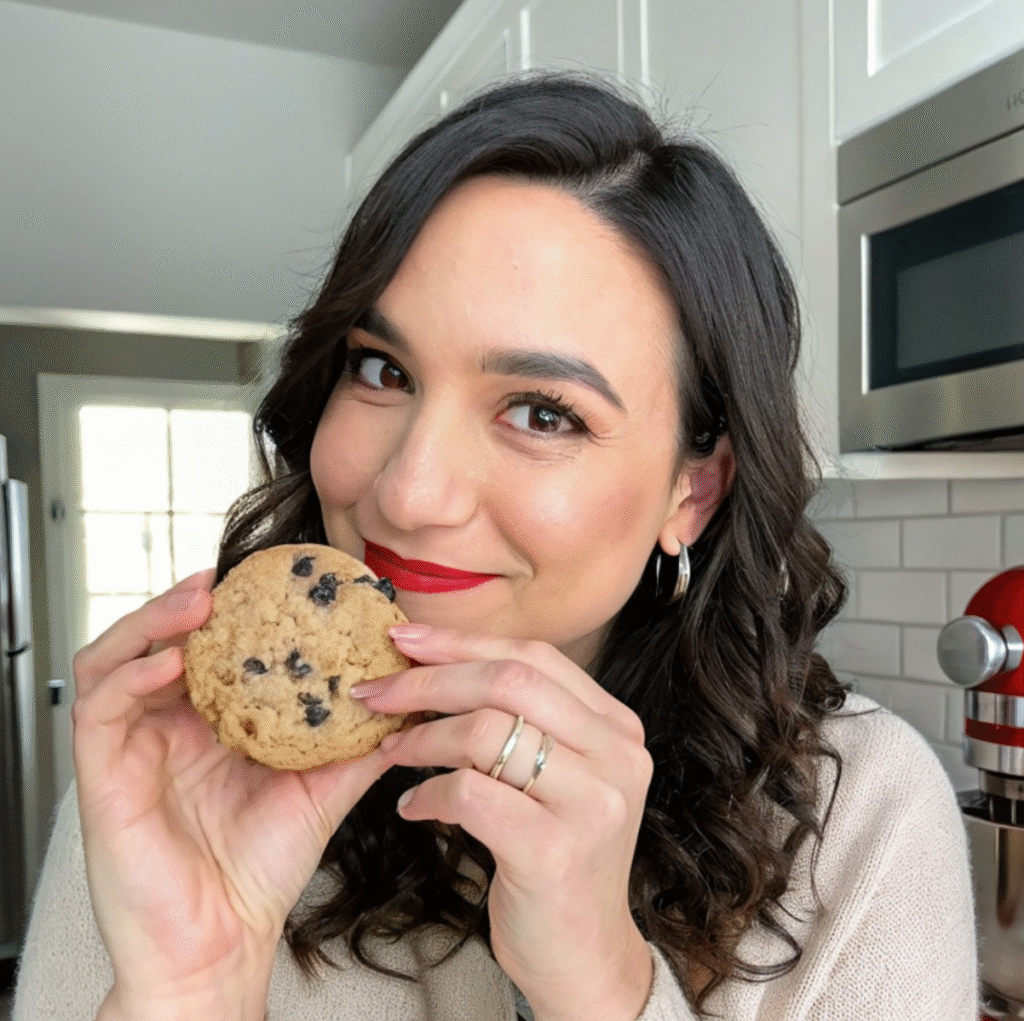
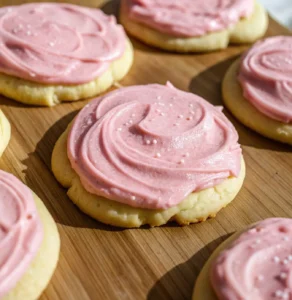
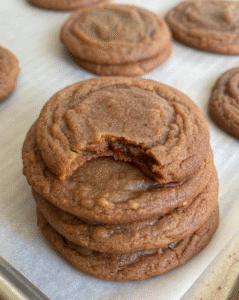
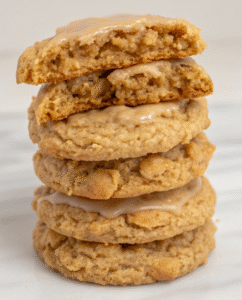
Is there anything quite as comforting as the aroma of freshly baked cookies wafting through the kitchen? This recipe for Soft and Chewy Coconut Cookies takes that comfort to a whole new level, transporting you to a sun-drenched tropical island with every bite. The key to these cookies is striking the perfect balance between a tender, melt-in-your-mouth interior and a slightly crisp, golden-brown exterior. We’re talking bakery-quality cookies, right from your own oven, and they’re perfect for sharing (or not!).

As a seasoned baker with years of experience tweaking and perfecting cookie recipes, I’m thrilled to share my secrets for achieving that coveted soft and chewy texture, along with tips for amplifying the coconut flavor for an unforgettable treat. With the surge in popularity of tropical flavors and the enduring love for classic cookies, these coconut cookies are set to become a new favorite, especially as we head into warmer months and crave those vacation-inspired tastes. It’s time to get baking and fill your home with the irresistible scent of coconut!
My cookie journey began with my grandmother’s simple sugar cookie recipe. Over time, I’ve experimented with countless variations, each time learning something new about the science of baking. These coconut cookies are the culmination of that experience – a testament to the power of simple ingredients combined with careful technique. Let’s dive in!
Ingredients for Coconut Perfection
The quality of your ingredients makes a huge difference in the final result. Here’s a breakdown of what you’ll need and why each component is important, along with some substitution suggestions if needed.
- All-Purpose Flour: Forms the structure of the cookie. Bleached or unbleached works, but unbleached will give a slightly nuttier flavor. For a gluten-free version, use a 1:1 gluten-free flour blend.
- Baking Soda: Provides leavening, creating a light and airy texture. It reacts with the acidity in the brown sugar.
- Salt: Enhances the sweetness and balances the flavors. Use sea salt for a more nuanced flavor.
- Unsalted Butter: Adds richness and tenderness. Make sure it’s softened but still cool for optimal creaming. Salted butter can be used, just reduce the added salt by 1/4 teaspoon.
- Granulated Sugar: Contributes to the crispness and sweetness.
- Brown Sugar: Adds moisture, chewiness, and a caramel-like flavor. Light or dark brown sugar works, but dark brown sugar will have a richer molasses flavor. The molasses in brown sugar is hygroscopic, meaning it attracts and retains moisture.
- Egg: Binds the ingredients together and adds richness. Use a large egg at room temperature.
- Vanilla Extract: Enhances the overall flavor profile. Use pure vanilla extract for the best flavor.
- Shredded Coconut: The star of the show! Use sweetened or unsweetened, depending on your preference. Toasted coconut adds a lovely depth of flavor. Sweetened coconut will add additional sweetness, so adjust the sugar accordingly.
Ingredient Science Note: The ratio of butter to sugar is crucial for cookie texture. More butter creates a softer cookie, while more sugar contributes to crispness. The brown sugar and butter work together to create a rich, moist crumb.
Expert Tips for Coconut Cookie Success
Over the years, I’ve baked countless batches of cookies, and I’ve learned a few tricks along the way. Here are my top tips for making the best Soft and Chewy Coconut Cookies.

- Don’t Overmix: Overmixing develops gluten, leading to tough cookies. Mix until just combined.
- Chill the Dough: Chilling the dough for at least 30 minutes (or even overnight) allows the flavors to meld and prevents the cookies from spreading too thin. This is a game changer for achieving that chewy texture.
- Use a Cookie Scoop: A cookie scoop ensures uniform size and even baking.
- Bake on Parchment Paper: Parchment paper prevents sticking and makes cleanup a breeze.
- Don’t Overbake: Slightly underbaking is key to a soft and chewy texture. The cookies will continue to bake on the hot baking sheet after you remove them from the oven.
- Toast the Coconut: To elevate the coconut flavor, toast the shredded coconut in a dry skillet over medium heat until lightly golden. Be sure to stir frequently to prevent burning!
My Secret Weapon: A splash of coconut extract can really amplify the coconut flavor. Use sparingly, as it can be overpowering.
FAQ: Your Coconut Cookie Questions Answered
Here are some frequently asked questions to help you troubleshoot and perfect your coconut cookie baking.
Why are my cookies flat?
Flat cookies can be caused by several factors: too much butter, not enough flour, overmixing, or baking on a warm baking sheet. Make sure your butter is softened but still cool, measure your flour accurately, avoid overmixing, chill the dough, and always bake on a cool baking sheet lined with parchment paper.
Can I use coconut oil instead of butter?
Yes, you can substitute coconut oil for butter. Use refined coconut oil for a neutral flavor or unrefined for a more pronounced coconut taste. Keep in mind that coconut oil melts at a lower temperature than butter, so the cookies may spread more. Chilling the dough is especially important when using coconut oil.
How do I keep my cookies soft?
Underbaking slightly is key. Also, store the cookies in an airtight container with a slice of bread. The bread will absorb any excess moisture, keeping the cookies soft and chewy.
Can I freeze the cookie dough?
Absolutely! Scoop the dough onto a baking sheet and freeze until solid. Then, transfer the frozen dough balls to a freezer bag. Bake directly from frozen, adding a few extra minutes to the baking time.
What kind of coconut should I use?
Sweetened or unsweetened shredded coconut works well. Toasted coconut adds a nutty flavor. Adjust the sugar in the recipe depending on whether you use sweetened or unsweetened coconut.
Can I add chocolate chips to these cookies?
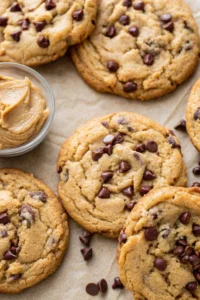
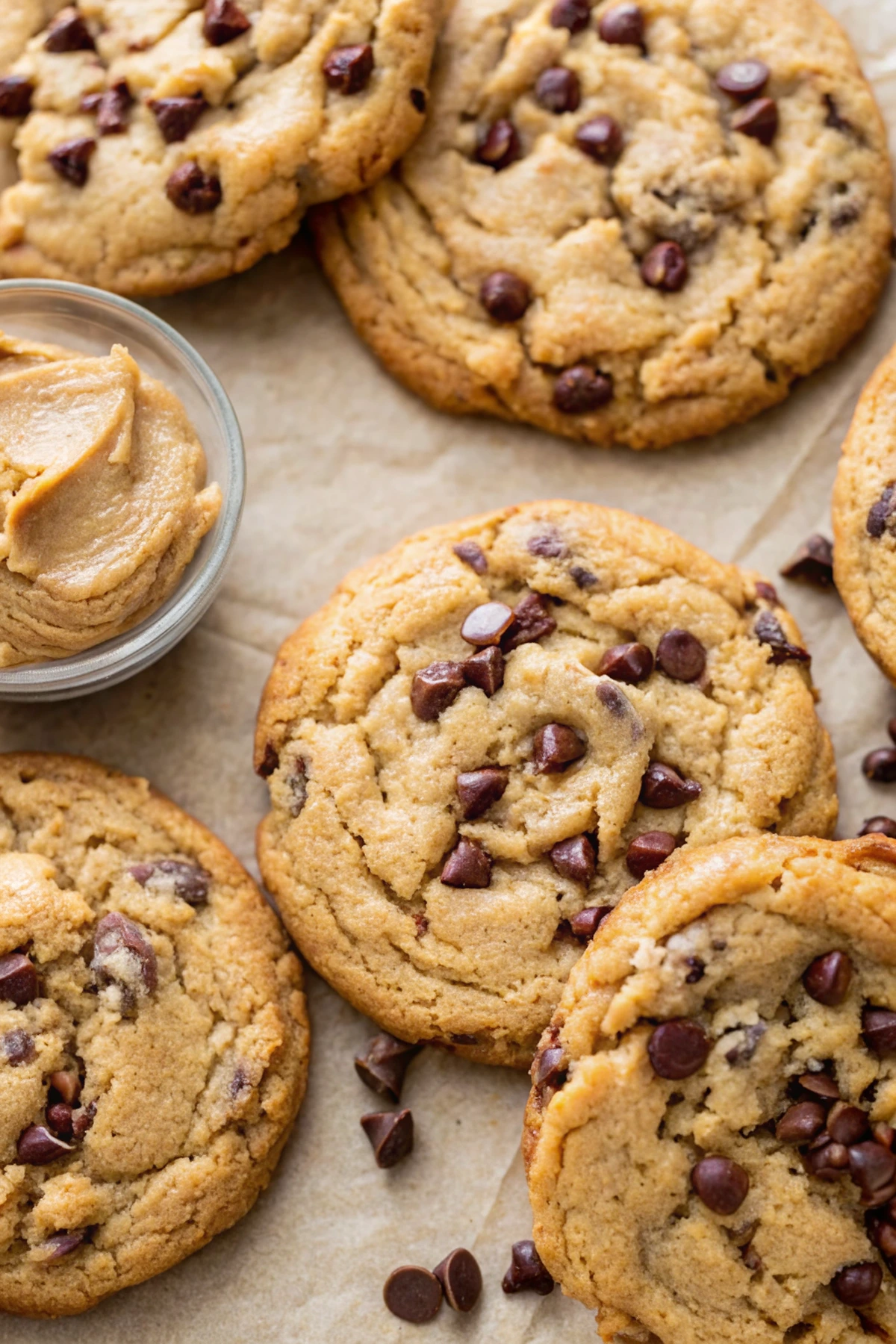
Definitely! Chocolate chips and coconut are a classic combination. White chocolate chips, milk chocolate chips, or even dark chocolate chips would be delicious.
Are these cookies gluten-free adaptable?
Yes, you can use a 1:1 gluten-free all-purpose flour blend. Look for blends that contain xanthan gum, which helps to bind the ingredients together and create a similar texture to gluten-containing flour.
Bake, Share, and Enjoy!
These Soft and Chewy Coconut Cookies are a delightful treat that’s perfect for any occasion. With their tender texture, tropical flavor, and easy-to-follow recipe, they’re sure to become a new favorite in your baking repertoire. Remember the tips and tricks we discussed, and don’t be afraid to experiment with your own variations. Baking is all about having fun and creating something delicious to share with loved ones. So, preheat your oven, gather your ingredients, and get ready to experience the taste of tropical paradise!
Now it’s your turn! Have you tried this recipe? What are your favorite cookie variations? Share your thoughts and experiences in the comments below. Don’t forget to tag me in your cookie creations on social media! Happy baking!