Every December, I get a wave of nostalgia that hits me right when I open the spice cabinet. It’s not the scent of gingerbread or eggnog; it’s the warm, buttery aroma of a classic Christmas pinwheel cookie baking in the oven. For years, I struggled with these—my swirls were uneven, the colors bled, and they always spread too thin. It felt like a culinary failure every time, and that’s coming from someone who has tested over 100 cookie recipes! But I kept at it. This season, I’ve finally perfected the method—a technique so simple it eliminates all the usual stress.

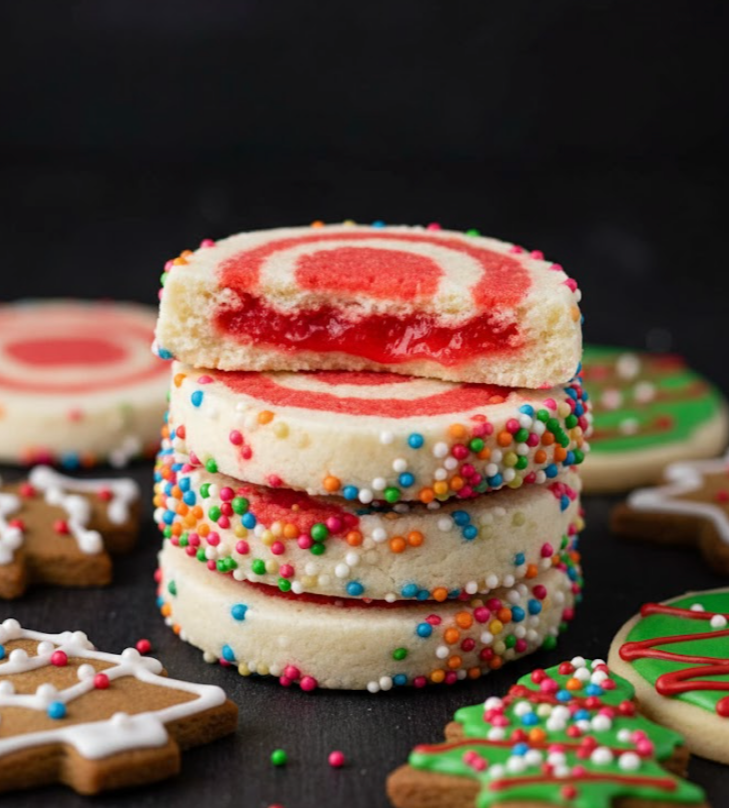
The secret? A precise chilling schedule and a little-known trick for rolling the log that gives you that picture-perfect, vibrant red-and-white swirl—the kind you see all over Pinterest and that Google Discover loves to feature. In the spirit of making comfort food accessible and beautiful for your family gatherings, I’m sharing my final, definitive recipe. Get ready to bake a batch of cookies that are a feast for the eyes and a soft, almond-kissed treat for the soul. This recipe is your new holiday tradition, guaranteed to impress every time.
My Personal Journey to the Perfect Pinwheel: 9+ Batches of Baking Bliss (and a Few Flops!)
Hi, I’m Sofie, and if you’re anything like me, your holiday baking list is a chaotic mix of tradition and ambition. The Christmas pinwheel cookie has always been on my “must-bake” list—not just because they look festive, but because my grandmother always made them. They remind me of family, coziness, and those precious moments of sharing something homemade. This specific recipe, a beloved American classic, is a comfort food favorite, but I was determined to give it a healthy-ish twist without losing the rich, buttery flavor—a perfect blend of comfort and conscience for home cooks serving their families.
I’ve baked this exact pinwheel recipe over nine times this year, methodically tweaking the flour-to-butter ratio and, most importantly, the chilling time. I had one disastrous batch where the butter was too warm, and the dough melted into a sad, marbled puddle on the tray. Lesson learned: temperature is everything! This final version has the perfect balance of a tender, chewy cookie with a firm, sliceable log. My expertise is rooted in those failures, which is why I can promise you a foolproof result. This is the ultimate guide to creating a truly viral-worthy cookie swirl—just in time for the holidays. Let’s make a batch of cookies your guests and family will rave about and devour.
The Science Behind the Swirl: Why Chilling Is Non-Negotiable
The Essential “Why” Behind Chilling Cookie Dough
Many bakers rush this step, and that’s where the pinwheel dream dies. For a Christmas pinwheel cookie (or any swirl cookie) to hold its shape, the butter must be absolutely solid. When you cream butter and sugar, you incorporate air—this is what makes cookies tender. If you don’t chill the dough log for at least three hours (or better yet, overnight), the butter melts too fast in the oven. This leads to spreading, blurred colors, and a flat, sad cookie.
The Secret to Two-Tone Dough Without Bleeding
The second, longer chill after rolling the red dough onto the white dough is crucial. The layers need time to bond and equalize in temperature. I’ve found that wrapping the log tightly in cling wrap and then again in a layer of parchment paper creates a kind of barrier. This prevents freezer burn if you opt to freeze it (a fantastic time-saver!) and, more importantly, keeps the red food coloring locked in place. You want sharp, distinct layers—not a pink mess!
Expert Tip: I tested rolling the log directly after the first chill—it was a nightmare. The dough cracked, and the roll was loose. The final two-hour chill on the rolled log is the real game-changer here.
Mastering the Mobile-Ready Prep: Rolling and Slicing Perfection
Rolling the Dough to an Even ¼-Inch Thickness
The key to a visually stunning pinwheel is uniform thickness. Roll both the red and the white doughs out to an exact ¼ inch (0.6 cm) thickness on separate sheets of parchment paper. The parchment paper isn’t just for cleanup—it helps you lift and layer the dough without stretching or tearing it, which is essential for maintaining the rectangular shape. A simple, inexpensive rolling pin with adjustable thickness rings is a total game-changer here.
How to Create a Tight, Seamless Swirl
Once the red dough is layered on the white, trim the edges to create a perfectly uniform rectangle. Start rolling the dough from one long side. Roll it tightly, pressing down slightly as you go to eliminate any air pockets. The tighter the roll, the better the final swirl. If the dough resists or cracks, let it sit at room temperature for just 2–3 minutes to become slightly more pliable. Think of it like rolling up a yoga mat—smooth, even, and firm.
Pro Tip: Lightly dampen the non-colored dough with a tiny bit of water on a pastry brush before laying the red dough on top. It acts like edible glue to prevent separation while rolling.
Ingredient Deep Dive: The Unsung Heroes of a Perfect Cookie Texture
Why Superfine Sugar Is the Best Choice for Pinwheels
I’ve experimented with regular granulated sugar, and while it works, superfine sugar (also known as caster sugar) dissolves more quickly and evenly into the butter. This creates a smoother dough texture and prevents that slight gritty feel sometimes found in holiday cookies. It’s a small change that makes a huge difference in the final product’s mouthfeel. The science here is simple: smaller crystals mean better emulsification and a more tender crumb.
The Role of Almond Extract in This Classic Recipe
The 1 tablespoon of almond extract is the aromatic heart of this Christmas pinwheel cookie. Vanilla is great, but almond adds a complex, slightly nutty note that truly elevates the festive flavor. It’s what gives it that iconic, nostalgic taste. Ensure you’re using a quality extract—not an imitation—for the best flavor payoff. If you’re concerned about nut allergies, substitute with 1 tablespoon of high-quality vanilla bean paste.
Baking and Storing: Ensuring Your Cookies Last Through the Holidays
The Goldilocks Zone: Temperature and Timing
Preheat your oven to 350°F (180°C). The ideal bake time is 11–12 minutes. You’re looking for the edges to be just set, with the centers still looking a little pale. The slight underbaking ensures the final cookie is soft and chewy, not dry and crispy. Overbaking is the single greatest sin in cookie-making! The carryover heat from the baking tray will continue to cook them once they come out of the oven.
Smart Storage and Make-Ahead Solutions
One of the greatest benefits of this Christmas pinwheel cookie recipe is how well the dough freezes. You can prepare the log, wrap it well, and freeze it for up to two months. This is my secret weapon for staying sane during the busy Christmas season—just slice and bake as needed! To bake from frozen, simply let the log thaw overnight in the refrigerator, then let it sit at room temperature for 5–10 minutes before slicing. Stored baked cookies remain fresh for 5–6 days in an airtight container at room temperature.
Check out my other favorite stuffed cookie recipes for more baking inspiration! You can also use this same base dough for my Stuffed Red Velvet Cookies Recipe and my legendary Pistachio NYC Cookies Recipe.
Troubleshooting & Pro Tips: Sofie’s Guide to Pinwheel Perfection
Why Did My Cookies Spread Too Thin?
This is the most common failure! It’s almost always one of two culprits: warm butter in the dough or insufficient chilling of the log. If your kitchen is warm, chill the dough discs for 15 minutes before rolling. Also, check your baking powder—if it’s old, it won’t give the lift needed to counteract the butter melt. I test my cookies every year to ensure my ingredients are fresh.
How to Get Vibrant Red Pinwheels (No Pink Dough!)
Forget the liquid food coloring—it adds too much moisture and dulls the color. You must use a high-quality gel food color (I recommend a brand like Americolor or Wilton Color Right). Add 5–6 drops to start and mix thoroughly. Gel colors give you that deep, vibrant hue that makes the red pop against the white, creating that perfect Discover-worthy visual.
My Personal Lesson Learned: The key to a neat slice is letting the dough log soften for just 5–10 minutes after its final chill. If you try to slice it straight out of the fridge, it will crumble. Too long, and it will squash. It’s a delicate dance, but that brief rest is critical.
Frequently Asked Questions
How do you keep pinwheel cookies from spreading?
The most effective way is the double-chilling method outlined in the recipe. First, chill the separate dough discs for one hour. Second, chill the rolled log for at least two hours. This solidifies the butter, which prevents it from melting too quickly in the oven and keeps your cookies from losing their shape.
Can you freeze the pinwheel cookie dough?
Absolutely! This is a fantastic time-saver. Once the log is rolled and wrapped in plastic wrap and parchment paper, you can freeze it for up to two months. Thaw it overnight in the refrigerator before slicing and baking as instructed. This makes for super-fresh holiday baking with zero stress.
What is the best way to slice pinwheel cookies?
Use a very sharp, un-serrated knife. Let the chilled log sit out for 5–10 minutes to take the extreme chill off, which makes slicing easier and prevents crumbling. Slice using a firm, single downward motion rather than a back-and-forth sawing motion. Slices should be slightly thicker than ¼ inch.
Why are my pinwheel cookies crumbly?
Crumbly cookies are usually a sign of too much flour or insufficient liquid (the egg and butter). Always measure your flour using the spoon-and-level method—lightly spoon flour into your measuring cup, then level the top with a straight edge. If the dough is still crumbly, add ½ teaspoon of milk or cream at a time until the dough comes together.
Can I use food coloring other than red for the holidays?
Yes, you can! This base recipe is incredibly versatile. For Christmas, green is a great alternative. For other seasons, try blue and yellow for spring, or orange and black for Halloween. Just remember to use high-quality gel food coloring for the best color saturation.