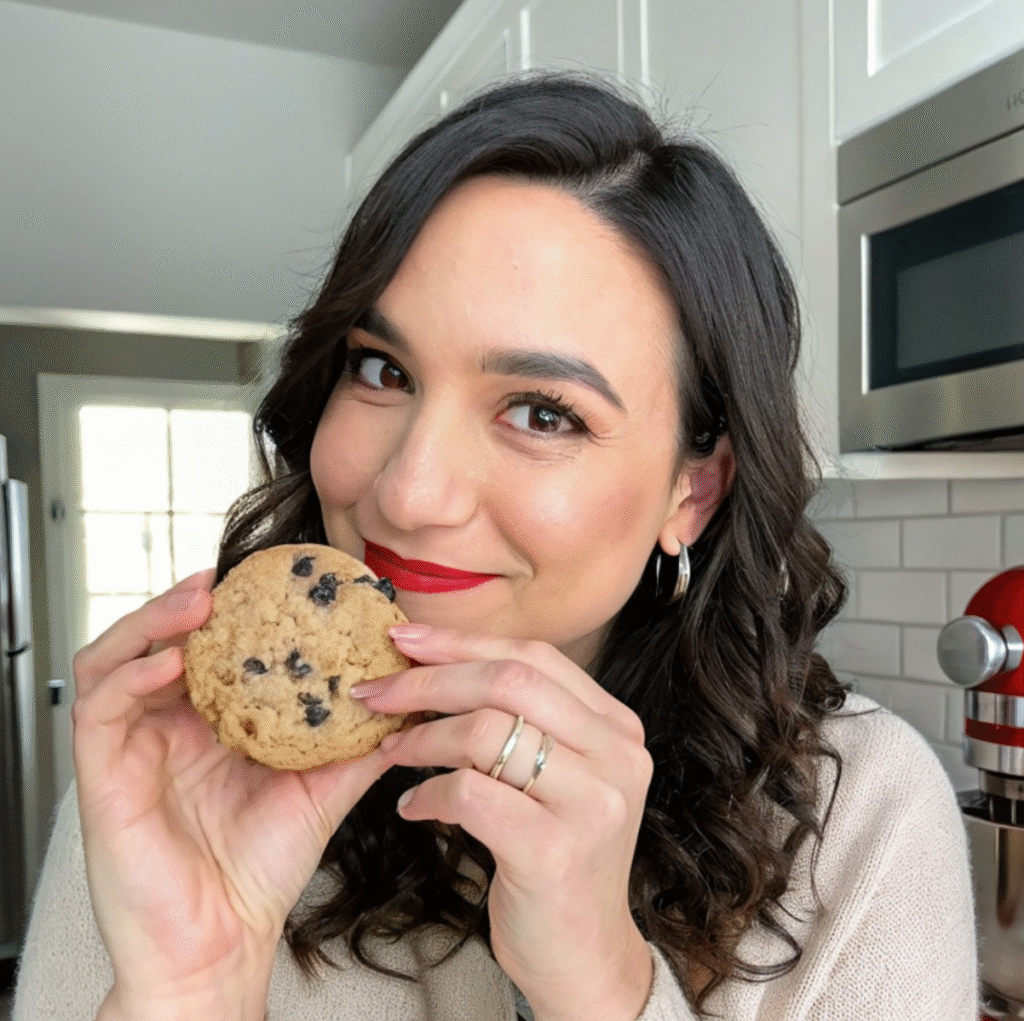
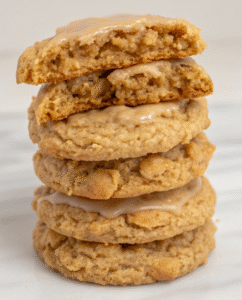
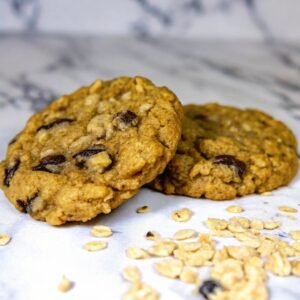
Is there anything more comforting than a warm, chewy oatmeal cookie? As we head into the late summer of 2025, and the days are getting slightly shorter, those warm, nostalgic flavors are calling my name. I’ve been baking and perfecting this recipe for years, tweaking it until it reached ultimate cookie nirvana. Forget those dry, crumbly excuses for oatmeal cookies; these are soft, chewy, and packed with flavor. Think hints of cinnamon, brown sugar, and a delightful buttery richness that practically melts in your mouth. But this isn’t just any oatmeal cookie recipe – it’s the best oatmeal cookie recipe, optimized for that perfect texture and unforgettable taste. Get ready to elevate your baking game!

I’ve dedicated countless hours in my kitchen, experimenting with different flours, sugars, and ratios to create the perfect oatmeal cookie. This isn’t just a recipe I found online; it’s the culmination of years of experience and a deep love for baking. This recipe uses simple ingredients but combines them in a way that produces complex and satisfying flavors. And don’t worry, I’ll share all my insider tips for achieving that perfect chewiness and soft center that everyone craves. Let’s get baking!
Ingredients for Oatmeal Cookie Perfection
Here’s what you’ll need to create the ultimate oatmeal cookie experience. I’ll also share some ingredient science and substitution tips to ensure your cookies come out perfectly every time.
- Rolled Oats (3 cups): Old-fashioned rolled oats are key for that classic oatmeal cookie texture. They provide chewiness and a slightly nutty flavor. Avoid instant oats, as they’ll make your cookies mushy.
- All-Purpose Flour (1 1/2 cups): Provides structure to the cookies. For a slightly nuttier flavor and a bit more tenderness, you can substitute up to 1/2 cup with whole wheat pastry flour.
- Baking Soda (1 teaspoon): Helps the cookies rise and spread. Make sure your baking soda is fresh for optimal results.
- Baking Powder (1/2 teaspoon): Provides extra lift, contributing to a lighter texture.
- Salt (1/2 teaspoon): Enhances the sweetness and balances the flavors.
- Cinnamon (1 teaspoon): Adds warmth and spice. Feel free to adjust the amount to your liking. A pinch of nutmeg is a great addition, too!
- Brown Sugar (1 cup, packed): Adds moisture, chewiness, and a caramel-like flavor. Light or dark brown sugar will work; dark brown sugar will give a more intense molasses flavor.
- Granulated Sugar (1/2 cup): Adds sweetness and helps the cookies crisp around the edges.
- Unsalted Butter (1 cup, softened): Provides richness and flavor. Make sure your butter is properly softened, but not melted.
- Eggs (2 large): Bind the ingredients together and add moisture.
- Vanilla Extract (1 teaspoon): Enhances the overall flavor. Use pure vanilla extract for the best results.
- Optional Add-ins: Chocolate chips, raisins, chopped nuts (walnuts or pecans are excellent), dried cranberries, or even a sprinkle of sea salt.
Step-by-Step Instructions
Follow these detailed instructions for perfect oatmeal cookies every time. Don’t skip any steps, and remember that a little patience goes a long way.
- Preheat and Prep: Preheat your oven to 375°F (190°C). Line baking sheets with parchment paper. This prevents sticking and makes cleanup a breeze.
- Combine Dry Ingredients: In a medium bowl, whisk together the rolled oats, flour, baking soda, baking powder, salt, and cinnamon. Set aside.
- Cream Butter and Sugars: In a large bowl, cream together the softened butter, brown sugar, and granulated sugar until light and fluffy. This usually takes about 3-5 minutes with an electric mixer.
- Add Eggs and Vanilla: Beat in the eggs one at a time, then stir in the vanilla extract. Make sure each egg is fully incorporated before adding the next.
- Gradually Add Dry Ingredients: Gradually add the dry ingredients to the wet ingredients, mixing until just combined. Be careful not to overmix, as this can lead to tough cookies.
- Stir in Add-ins (Optional): If using, stir in your desired add-ins, such as chocolate chips, raisins, or nuts.
- Drop by Rounded Tablespoons: Drop by rounded tablespoons onto the prepared baking sheets, leaving about 2 inches between each cookie.
- Bake: Bake for 9-11 minutes, or until the edges are golden brown and the centers are set. The cookies will continue to firm up as they cool.
- Cool: Let the cookies cool on the baking sheets for a few minutes before transferring them to a wire rack to cool completely.
- Enjoy! Savor the deliciousness of your homemade oatmeal cookies!
Expert Tips for the Best Oatmeal Cookies
These are the little secrets I’ve learned over years of baking oatmeal cookies. Follow these tips, and you’ll be amazed at the difference.
- Don’t Overmix: Overmixing develops the gluten in the flour, resulting in tough cookies. Mix until just combined.
- Chill the Dough: Chilling the dough for at least 30 minutes (or even longer) before baking helps prevent the cookies from spreading too much and intensifies the flavors. This is a game changer!
- Use Softened Butter: Properly softened butter is key for creating a light and fluffy dough. The butter should be soft enough to press a finger into easily, but not melted.
- Measure Accurately: Baking is a science, so accurate measurements are important. Use measuring cups and spoons specifically designed for baking.
- Bake Evenly: Rotate the baking sheets halfway through baking to ensure even browning.
- Don’t Overbake: Overbaked oatmeal cookies will be dry and crumbly. Bake until the edges are golden brown and the centers are just set.
- Experiment with Flavors: Don’t be afraid to experiment with different add-ins and spices to create your own signature oatmeal cookie.
Storage & Substitutions
Here’s how to store your oatmeal cookies to keep them fresh and some substitutions you can try if you’re missing an ingredient.
Storage
- Airtight Container: Store cooled oatmeal cookies in an airtight container at room temperature for up to 5 days.
- Freezing: For longer storage, you can freeze the cookies for up to 2 months. Wrap them individually in plastic wrap and then place them in a freezer bag or container.
- Freezing Dough: You can also freeze the cookie dough. Scoop the dough into individual cookies onto a baking sheet and freeze until solid. Then, transfer the frozen dough balls to a freezer bag. Bake directly from frozen, adding a few extra minutes to the baking time.
Substitutions
- Flour: For a gluten-free version, use a gluten-free all-purpose flour blend.
- Sugar: You can substitute coconut sugar for brown sugar, but it will alter the flavor slightly.
- Butter: For a dairy-free option, use a plant-based butter alternative.
- Eggs: Flax eggs (1 tablespoon flaxseed meal mixed with 3 tablespoons water, let sit for 5 minutes) can be used as an egg substitute.
- Vanilla Extract: Almond extract can be used as a substitute, but use it sparingly as it has a strong flavor.

Frequently Asked Questions
Here are some common questions people have about making oatmeal cookies.
Why are my oatmeal cookies flat?
Flat oatmeal cookies can be caused by several factors: using melted butter instead of softened butter, not chilling the dough, overmixing the dough, or using too much sugar. Make sure your butter is properly softened, chill the dough for at least 30 minutes, and avoid overmixing.
Why are my oatmeal cookies dry?
Dry oatmeal cookies are often the result of overbaking or using too much flour. Be sure to measure your flour accurately and avoid overbaking the cookies. They should be slightly soft in the center when you take them out of the oven.
Can I use quick oats instead of rolled oats?
I don’t recommend it. Quick oats will result in a mushier cookie texture. Old-fashioned rolled oats are the best choice for oatmeal cookies.
Can I add nuts to my oatmeal cookies?
Absolutely! Chopped walnuts, pecans, or almonds are delicious additions to oatmeal cookies. About 1/2 to 1 cup of chopped nuts is a good amount.
How can I make my oatmeal cookies chewier?
To make your oatmeal cookies chewier, use more brown sugar than granulated sugar, and don’t overbake them. Chilling the dough also helps to develop a chewier texture.
Can I make oatmeal cookies without eggs?
Yes, you can! Use flax eggs (1 tablespoon flaxseed meal mixed with 3 tablespoons water, let sit for 5 minutes) as an egg substitute. The texture will be slightly different, but still delicious.
How do I keep my oatmeal cookies soft?
Store your oatmeal cookies in an airtight container with a slice of bread. The bread will help to absorb moisture and keep the cookies soft.

Bake Up Some Happiness!
These oatmeal cookies are more than just a recipe; they’re a hug in cookie form. This recipe will guide you to baking the best batch of oatmeal cookies you’ve ever tasted. From the chewy texture to the warm, comforting flavors, these cookies are perfect for sharing with loved ones, enjoying as an afternoon treat, or simply satisfying your sweet tooth. Don’t just take my word for it—try the recipe yourself and experience the joy of homemade oatmeal cookies!