
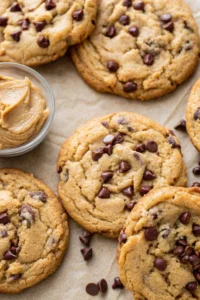
These are the softest, thickest peanut butter cookies you’ll ever bake. You only need nine basic ingredients, a bit of chilling time, and a love for peanut butter. What makes this recipe stand out isn’t just its simplicity, but also how customizable it is—whether you want them plain, loaded with chocolate chips, or even with a sprinkle of sea salt on top. Unlike many cookie recipes that end up flat or crumbly, these soft & thick peanut butter cookies stay rich, chewy, and flavorful, making them a true family favorite. Don’t miss our easy baking tips if you’re looking for more inspiration in the kitchen.

Why Choose Soft & Thick Peanut Butter Cookies
The Appeal of Soft & Thick Cookies
There’s something comforting about biting into a cookie that’s pillowy soft on the inside yet slightly crisp around the edges. These soft & thick peanut butter cookies balance those textures perfectly. Unlike thin cookies that spread too much, thick peanut butter cookies hold their shape, giving you a more satisfying bite.
What Makes Peanut Butter Cookies Unique?
Peanut butter cookies have been a staple in American homes for decades. Their signature crisscross pattern, deep nutty flavor, and chewy texture set them apart from sugar or chocolate chip cookies. Peanut butter itself adds richness and moisture, making the cookies tender while infusing them with a flavor that appeals to kids and adults alike.
Healthier Swaps Without Sacrificing Flavor
Even though these cookies are indulgent, you can tweak the recipe to fit different dietary needs. Swap out regular flour with gluten-free alternatives, use coconut sugar instead of refined sugar, or try almond butter for a slightly different texture. However, the classic version with creamy peanut butter remains unbeatable in both flavor and texture. For more healthy baking inspiration, check out this guide from Serious Eats.
Ingredients That Make the Cookies Soft & Thick
The Role of Flour, Baking Soda, and Salt
The foundation of any cookie lies in its dry ingredients. Using 1⅓ cups of all-purpose flour creates the structure needed for thickness without making the cookies dense. Baking soda acts as a leavening agent, giving the dough a gentle lift. A small pinch of salt balances the sweetness and enhances the peanut butter’s flavor.
Butter and Sugar: The Creamy Base
Creaming butter with both brown and granulated sugar is a crucial step. Brown sugar provides moisture and chewiness, while granulated sugar gives structure and a light crispness on the edges. Together, they create the ideal texture that makes these cookies soft yet thick.
| Ingredient | Function in Recipe | Amount Used |
|---|---|---|
| Flour | Structure & thickness | 1⅓ cups (170g) |
| Baking Soda | Lift & light texture | ½ teaspoon |
| Salt | Enhances flavor | ¼ teaspoon |
| Butter | Creaminess & moisture | ½ cup (113g) |
| Brown Sugar | Chewiness & depth | ½ cup (100g) |
| Granulated Sugar | Crisp edges & balance | ¼ cup (50g) + ½ cup for rolling |
The Magic of Peanut Butter
Using ¾ cup of creamy peanut butter makes the cookies soft and rich. Creamy versions like Jif or Skippy are ideal because they blend smoothly into the dough. Natural peanut butter can be used, but it often produces a crumblier cookie.
Egg and Vanilla: Binding and Flavor Boost
A single large egg binds the ingredients while adding moisture. Vanilla extract enhances the overall flavor, ensuring every bite tastes homemade and aromatic. Adding an extra egg yolk (without the white) can make cookies even softer, a trick many bakers swear by.
Step-by-Step Instructions for Soft & Thick Peanut Butter Cookies
Preparing the Dry Ingredients
Begin by whisking together flour, baking soda, and salt in a medium bowl. This step ensures the leavening agent is evenly distributed so every cookie bakes up fluffy and thick. Skipping this step often leads to uneven texture.
Creaming the Butter and Sugar
In a separate large bowl, beat softened butter with brown sugar and a portion of granulated sugar. Creaming them for about two minutes incorporates air, giving the dough a lighter texture. This is where many home bakers go wrong—undermixing or overmixing can drastically change how your cookies bake.
Adding the Wet Ingredients
Once the butter and sugar are smooth, mix in the egg until fully incorporated. Next, add creamy peanut butter and vanilla extract. The dough should look glossy and smell nutty at this stage. Be sure to scrape down the bowl so no streaks of butter or sugar remain unmixed.
Combining Wet and Dry
Slowly add the dry mixture into the wet ingredients while mixing at low speed. Overmixing can make the cookies tough, so stop as soon as no visible flour remains. The dough will feel creamy and slightly sticky, which is exactly what you want.
Rolling and Coating
Before baking, scoop dough into small balls, each about one tablespoon in size. Roll them in granulated sugar to create a crisp exterior once baked. Arrange the balls on a lined baking sheet, leaving at least two inches between each cookie for spreading.
The Signature Fork Crisscross
Use a fork to press down lightly on each dough ball, making the iconic crisscross design. This not only looks classic but also flattens the cookies just enough for even baking. If they spread too much after pressing, gently reshape the sides with your fingers.
Baking the Cookies
Bake at 350°F (177°C) for 11–12 minutes. The edges should look set and slightly golden, while the centers remain soft. Remember, cookies continue baking on the hot sheet even after being pulled from the oven, so avoid overbaking.
Cooling for the Perfect Texture
Let cookies cool on the baking sheet for five minutes before transferring them to a wire rack. This short rest firms them up while keeping the centers tender and chewy.
The Importance of Chilling the Dough
Prevents Over-Spreading
Chilling the dough for at least one hour—and up to three days—helps the cookies hold their shape during baking. When butter is too soft, cookies spread out into thin discs instead of staying thick. A cool dough ensures slow melting, leading to a chewier bite.
Enhances Flavor
Just like aging bread dough improves its depth of flavor, chilling cookie dough allows the flour to fully hydrate. This process intensifies the nutty richness of the peanut butter and the caramel notes of the brown sugar, making every bite more flavorful.
Better Texture Control
A chilled dough produces cookies that are soft in the center and lightly crisp around the edges. Without chilling, you risk cookies that are greasy, flat, or unevenly baked. If you want bakery-quality cookies at home, this step is non-negotiable.
Tips for Effective Chilling
- Wrap the dough tightly in plastic wrap or cover the bowl with a lid.
- If you plan to bake in batches, roll dough balls first, then chill them on a tray.
- Dough can stay in the refrigerator for up to three days. For longer storage, freeze portioned dough balls and bake them straight from the freezer with just one extra minute of baking time.
Quick Fix for Busy Bakers
If you’re in a rush, chilling the dough for at least 30 minutes is better than skipping it entirely. However, the full one to two hours yields the thickest, chewiest results.
Creative Variations of Soft & Thick Peanut Butter Cookies
Adding Chocolate Chips or Chunks
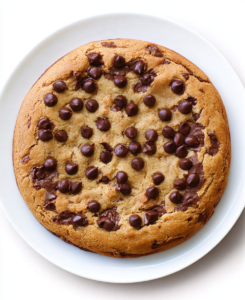
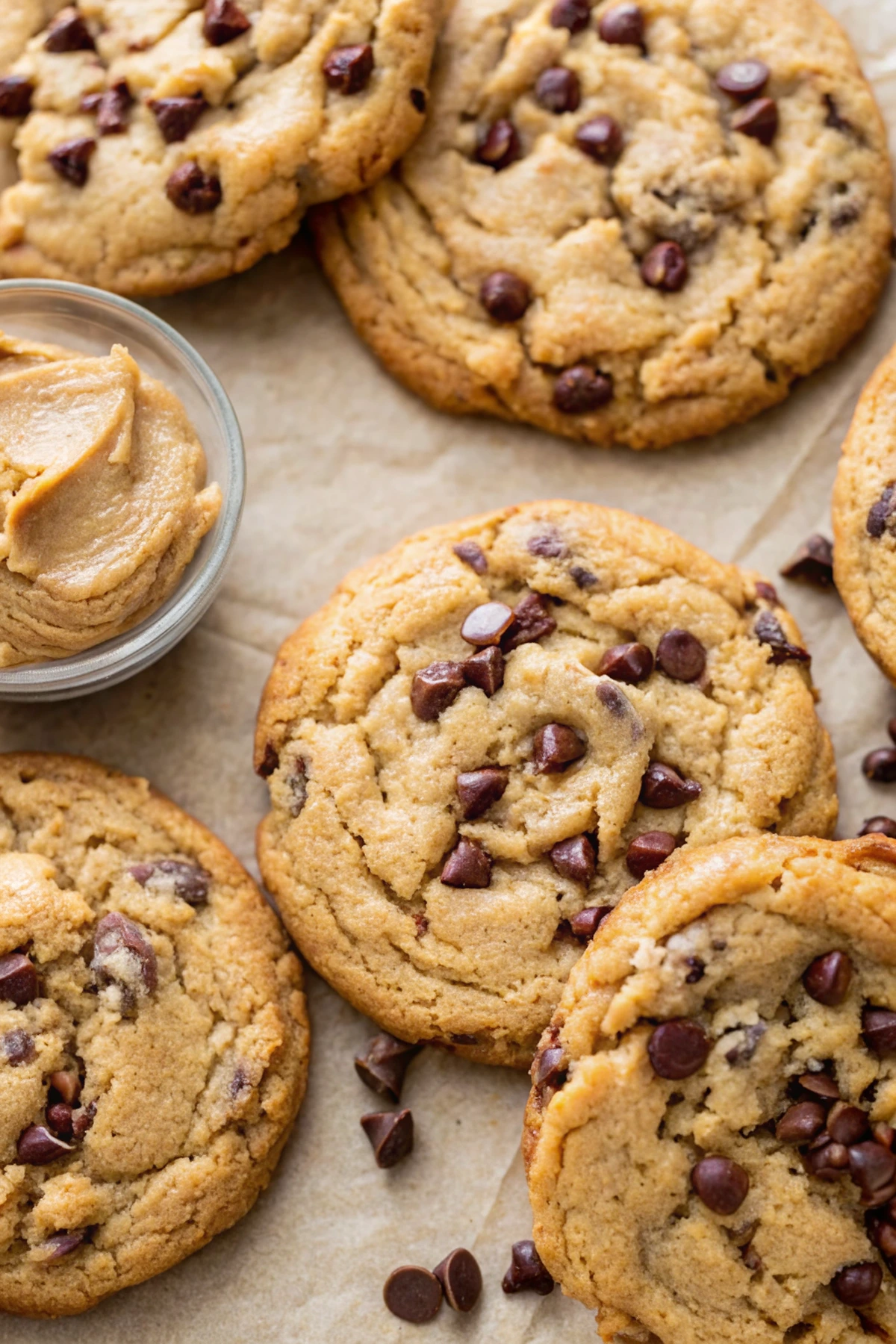
One of the easiest ways to elevate your peanut butter cookies is by folding in a cup of chocolate chips or chopped chocolate. The slight bitterness of dark chocolate pairs beautifully with the sweet, nutty dough, while milk chocolate creates a more indulgent, candy-like cookie.
Peanut Butter Lovers’ Upgrade
If you can’t get enough peanut butter, add peanut butter chips or swirl extra creamy peanut butter into the dough before baking. This double-dose of nutty flavor makes the cookies even more irresistible.
Salted Peanut Crunch
For added texture, fold in chopped salted peanuts. The crunchy bite and salty balance against the soft cookie base create an addicting contrast.
Gluten-Free or Alternative Nut Butters
Looking for alternatives? You can use almond butter or cashew butter, but note that the texture will be slightly crumblier. A gluten-free flour blend also works well here, though you may need to chill the dough a little longer to prevent spreading.
Holiday-Inspired Cookies
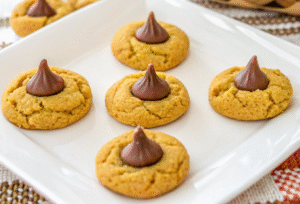
During the holiday season, sprinkle cinnamon or drizzle melted white chocolate over baked cookies for a festive twist. You can even press Hershey’s Kisses into the center for a classic peanut butter blossom.
Stuffed Peanut Butter Cookies
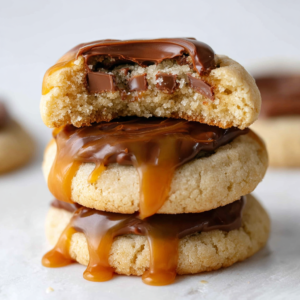
Want to go all out? Flatten two cookie dough balls, place a small square of chocolate or caramel in the middle, then seal and roll back into a ball before baking. The result is a gooey surprise at the center of each cookie.
Common Mistakes to Avoid When Baking Peanut Butter Cookies
Skipping the Chill Time
As tempting as it may be to bake right away, skipping the chilling step almost guarantees flat, greasy cookies. Always plan enough time for the dough to rest in the refrigerator.
Using the Wrong Type of Peanut Butter
Natural peanut butter, while delicious on toast, isn’t the best for baking unless thoroughly stirred and at room temperature. Even then, it often leads to crumbly cookies. Stick with creamy, processed peanut butter like Jif or Skippy for consistent results.
Overmixing the Dough
Overworking the flour once it’s added develops too much gluten, leading to tough, dry cookies. Mix only until the flour disappears, then stop.
Baking Too Long
These cookies should look slightly underbaked in the center when removed from the oven. They’ll firm up as they cool. Overbaking leaves you with dry, crisp cookies rather than soft and chewy ones.
Incorrect Measuring
Scooping flour directly with a measuring cup can pack in too much, creating dense cookies. Always spoon and level flour instead of scooping. Similarly, pack brown sugar tightly for accuracy, while granulated sugar should be measured loosely.
Neglecting to Reshape
After making the crisscross fork marks, cookies can spread unevenly. Reshape them gently into thicker discs before baking to maintain their signature thickness.
How to Store and Freeze Soft & Thick Peanut Butter Cookies
Storing at Room Temperature
Freshly baked cookies stay soft and flavorful for up to one week when stored in an airtight container. Keep them in a cool, dry spot away from direct sunlight. To prevent cookies from sticking together, place a sheet of parchment paper between layers.
Freezing the Dough
You can make the dough ahead and freeze it for later use. Roll dough into balls (before sugar coating), place them on a tray to firm up in the freezer, then transfer to a freezer bag. Dough balls last up to three months. When ready to bake, simply let them sit on the counter for 30 minutes, roll in sugar, press with a fork, and bake for an extra minute.
Freezing Baked Cookies
Already baked cookies also freeze well. Once cooled completely, layer them in a freezer-safe container with parchment between each layer. They’ll stay fresh for up to three months. To enjoy again, thaw cookies at room temperature or warm briefly in the microwave for that “fresh from the oven” feel.
Pro Tip for Best Flavor
If you plan on freezing a batch, underbake cookies by one minute. This way, when you reheat them, they’ll taste as if they were just baked.
FAQs About Soft & Thick Peanut Butter Cookies
What makes peanut butter cookies soft?
Peanut butter cookies stay soft thanks to the balance of brown sugar, butter, and peanut butter. Brown sugar adds moisture, while the fat from butter and peanut butter keeps the cookies tender even after cooling.
What is the secret to making cookies soft?
The secret lies in two key steps: using brown sugar for added moisture and not overbaking. Pulling cookies from the oven when they look slightly underdone ensures they firm up while cooling without becoming dry.
How do you make cookies soft and chewy vs hard and crisp?
For soft and chewy cookies, use more brown sugar than white sugar, don’t skip the egg, and chill the dough before baking. For crisp cookies, increase granulated sugar, bake a minute or two longer, and flatten the dough balls slightly thinner before baking.
What does adding an extra egg do to cookies?
Adding an extra egg, especially an egg yolk, increases moisture and richness. The fat in the yolk helps create a softer, denser cookie, while the whites can add structure. This small tweak is perfect for bakers who want extra chewiness.
Bake the Best Soft & Thick Peanut Butter Cookies
Soft & thick peanut butter cookies are the kind of treat that never goes out of style. With just nine simple ingredients, a little patience for chilling, and a few smart baking tips, you can create bakery-quality cookies right in your own kitchen. Whether you enjoy them plain, loaded with chocolate chips, or frozen for later, these cookies deliver chewy centers, golden edges, and the nutty richness that makes them irresistible.
Looking for more inspiration? Try our easy dessert recipes for crowd-pleasing ideas, or discover great ideas like our holiday baking favorites. Don’t miss our best cookie recipes if you’re ready to expand your baking skills. For a creative twist, check out orphan recipe idea here or try something unique like seasonal peanut butter desserts.
With the right balance of ingredients, proper technique, and a little extra love, these cookies can easily become your signature bake. So preheat your oven, chill that dough, and treat yourself to the softest, thickest peanut butter cookies you’ll ever make.

Great recipe, perfectly soft and yummy
Thank you so much, Rachel! I’m so happy you loved them 💕 Soft and yummy is exactly what I was going for — nothing beats a perfectly chewy peanut butter cookie!
Excellent cookie recipe! They turned out better than I imagined, thank you!!
I’m thrilled to hear that, Cassie! 😊 I love when a recipe turns out even better than expected. Thank you for trying it and for taking the time to share your feedback!