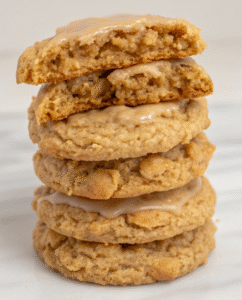
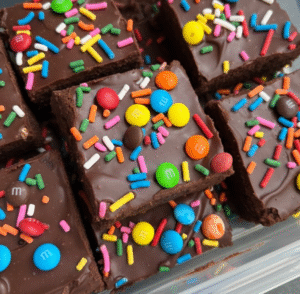
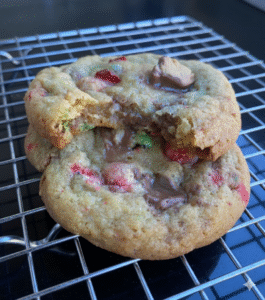
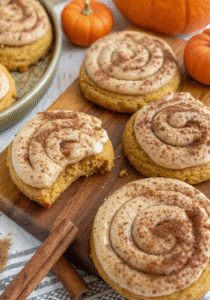
There’s something magical about pulling a tray of chocolate chip cookies out of the oven—the warm aroma, the gooey centers, and those slightly crisp edges that almost snap when you bite into them. The Best Chocolate Chip Cookie Recipe Ever isn’t just another dessert; it’s a treat that turns an ordinary afternoon into a memory. In this guide, we’ll walk you through the essential steps to make cookies that rival any bakery’s best batch, reveal the small but game-changing secrets to perfect texture and flavor, and answer the most common questions bakers ask about these sweet favorites. If you love experimenting with desserts, Looking for inspiration? Try our Oreo NYC Cookies for a different kind of indulgence.

Why This Is The Best Chocolate Chip Cookie Recipe
Perfect Texture Every Time
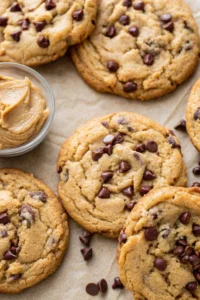
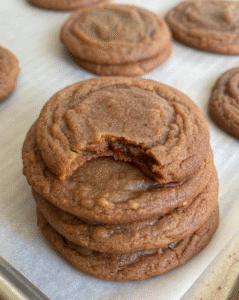
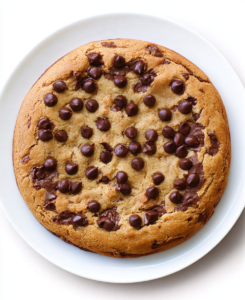
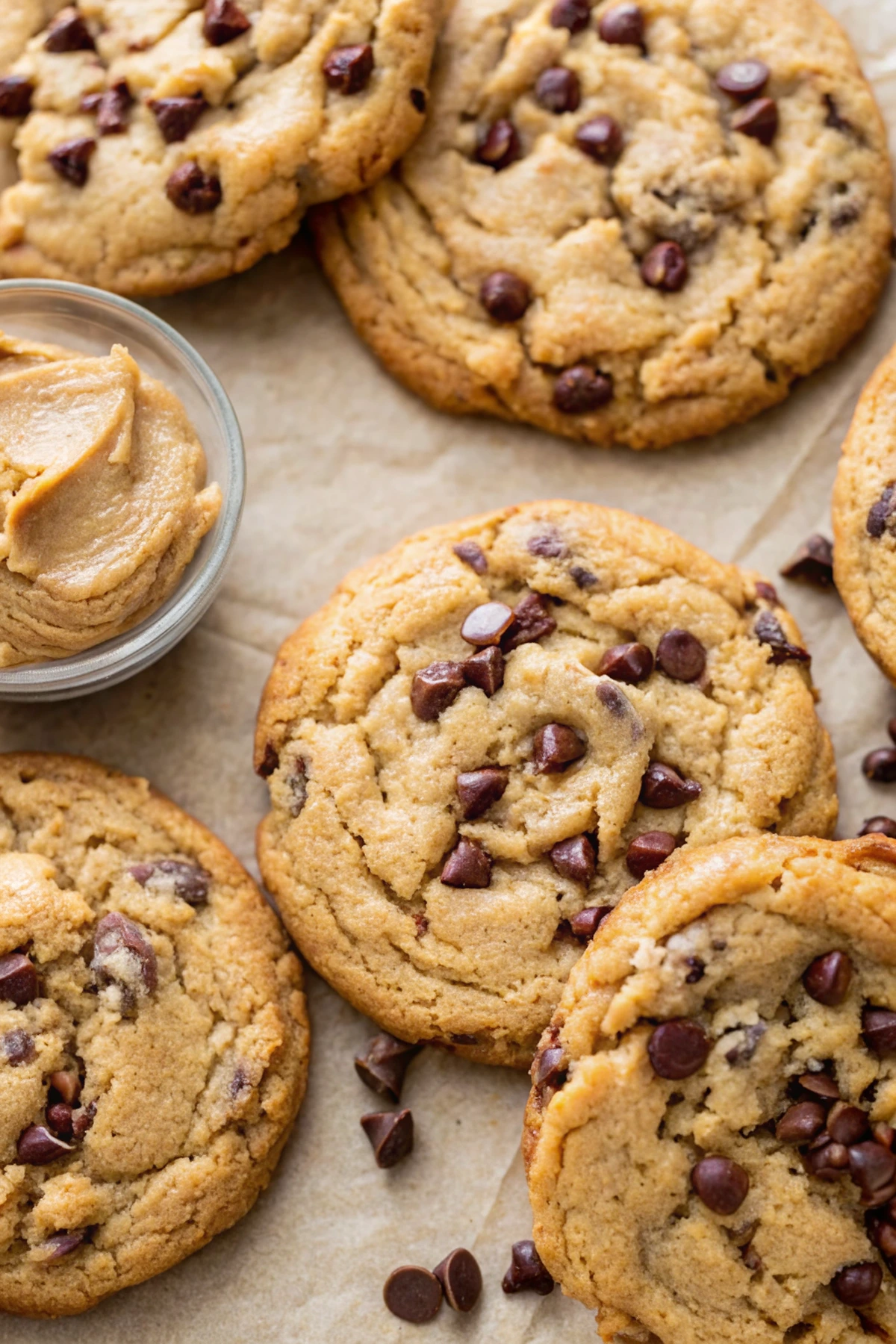
The hallmark of a great chocolate chip cookie is its texture—crispy edges giving way to a soft, chewy center. This recipe strikes that balance beautifully because it uses a precise butter-to-sugar ratio and a careful bake time that leaves the centers tender without drying them out. The secret? Pulling them out of the oven when they still look slightly underdone.
Flavor That Stands Out
A blend of granulated sugar and light brown sugar creates a depth of sweetness with subtle caramel undertones. Add in real vanilla extract, rich butter, and a sprinkle of sea salt, and every bite pops with flavor. Sea salt in particular enhances the chocolate’s richness, making the sweetness taste more vibrant without becoming overpowering.
Essential Equipment for Perfect Cookies
Tools That Make Baking Easier
While you can technically make chocolate chip cookies with just a bowl and a spoon, using the right tools makes the process smoother and your results more consistent. Here’s what you’ll need:
- Measuring Cups and Spoons – Precision matters in baking, and even a little extra flour or sugar can change your cookie’s texture.
- KitchenAid Mixer or Hand Mixer – These tools cream butter and sugar more efficiently, creating a lighter dough.
- Silicone Baking Mat or Parchment Paper – Prevents sticking and helps the cookies bake evenly.
- Cookie Scoop – Ensures uniform cookie size, which means even baking.
Why Equipment Matters
The best recipes can still fall flat without the proper tools. Measuring accurately keeps the flavor and texture consistent, while quality baking surfaces help control heat distribution, so your cookies bake to perfection. A good mixer whips air into your dough, helping achieve that coveted soft interior.
Ingredients That Make the Magic Happen
The Role of Each Ingredient
Every single component of this recipe plays a role in making your cookies bakery-worthy:
- Butter – Softened butter blends smoothly, adding richness and moisture. Salted butter balances sweetness, but you can use unsalted for more control over saltiness.
- Granulated Sugar – Gives crisp edges and a clean sweetness.
- Light Brown Sugar – Adds chewiness and a subtle molasses flavor.
- Eggs – Bind ingredients together and contribute to a soft texture.
- All-Purpose Flour – The backbone of the dough, providing structure.
- Baking Soda & Baking Powder – Work together to give the cookies the perfect lift.
- Sea Salt – Enhances the chocolate’s depth and balances the sugars.
- Chocolate Chips – Whether you prefer milk, semisweet, or dark chocolate, this is where the indulgence happens.
Ingredient Substitutions
Need to adjust for dietary preferences or pantry shortages? Here are quick swaps:
- Butter – Use unsalted butter, vegan butter, or even coconut oil. For richer flavor, try browned butter.
- Eggs – Use flax eggs or applesauce for an egg-free version.
- Sugars – Dark brown sugar for a deeper molasses note, or organic cane sugar instead of white.
- Flour – Gluten-free all-purpose blends work well.
- Chocolate Chips – Mix chunks, chopped chocolate bars, or even white chocolate for variety.
Step-by-Step Instructions
Mixing the Dough
- Preheat the Oven – Set it to 375°F (190°C). If using a convection oven, reduce to 350°F. Line three baking sheets with parchment paper or silicone mats.
- Combine Dry Ingredients – In a medium bowl, whisk together flour, baking soda, baking powder, and sea salt. Set aside.
- Cream Butter and Sugars – In a large mixing bowl, beat softened butter with both sugars until light and fluffy. This step is crucial for incorporating air into the dough.
- Add Eggs and Vanilla – Beat in the eggs one at a time, followed by the vanilla extract, until fully incorporated.
- Mix in Dry Ingredients – Gradually add the flour mixture, stirring until just combined to avoid overmixing.
- Add Chocolate Chips – Fold them in gently so they’re evenly distributed.
Shaping and Baking
- Portion the Dough – Use a cookie scoop to measure 2–3 tablespoons of dough per cookie. Roll into balls and place evenly on prepared baking sheets.
- Bake – Bake for 8–10 minutes, until edges are just starting to turn golden.
- Rest – Let cookies cool on the baking sheet for 5 minutes before transferring to a wire rack.
The Secret to Perfect Chocolate Chip Cookies
Don’t Overbake
This is the golden rule. Your cookies should still look a little soft and even slightly underdone when you pull them from the oven. They’ll continue to cook on the baking sheet during the cooling process, locking in that irresistible softness.
Chill the Dough
If you have time, refrigerate the dough for 1–2 hours before baking. Chilling solidifies the fats, which means the cookies spread less and bake thicker with a richer flavor. It also gives the flour time to hydrate, enhancing texture.
Discover great ideas like our Gourmet Pumpkin Spice Stuffed Cookie Recipe if you love seasonal twists.

Storing and Freezing Tips
Storing Baked Cookies
Once cooled, place cookies in an airtight container at room temperature. They’ll stay fresh for up to 5 days without losing their chewy texture. For even softer cookies, place a slice of bread inside the container—the bread will absorb excess air moisture and keep the cookies tender.
Freezing Dough for Later
Want fresh cookies on demand? Scoop dough balls, arrange them on a baking sheet, and freeze until solid. Transfer to an airtight freezer bag or container. They’ll keep perfectly for up to 2 months.
Baking from Frozen
There are two approaches:
- Thaw First – Set frozen dough balls on a parchment-lined sheet, cover lightly, and thaw at room temperature for about an hour. Bake as directed at 375°F.
- Bake Directly from Frozen – Preheat oven to 350°F, place frozen dough balls in before the oven is fully heated, and bake for 15 minutes.
Variations to Try
Chocolate Variations
Why stick to one kind of chocolate? Combine milk, semisweet, and dark chocolate chips for a more complex flavor. You can also use chocolate chunks or chopped high-quality chocolate bars for pockets of extra gooeyness.
Add-Ins for Extra Flavor
Elevate your cookies by folding in:
- Chopped nuts (walnuts, pecans, or almonds) for crunch.
- Toffee bits for a buttery caramel twist.
- Pretzel pieces for a salty-sweet contrast.
- Dried fruit like cherries or cranberries for a chewy surprise.
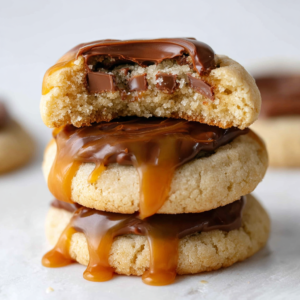
Don’t miss our Biscoff Surprise NYC Cookies for a unique filling idea that turns a simple cookie into a showstopper.
Common Mistakes and How to Avoid Them
Overmixing the Dough
Once you add flour, mix just until combined. Overmixing develops gluten, making cookies tough instead of tender.
Incorrect Measurements
A little extra flour can make cookies dry, while too little can make them spread too much. Always spoon flour into your measuring cup and level it off for accuracy.
Oven Temperature Issues
Ovens can run hot or cold. Use an oven thermometer to ensure accuracy—baking at the wrong temperature can mean undercooked centers or overly crisp edges.
Skipping the Rest Time
That 5-minute rest on the baking sheet after removing cookies from the oven isn’t optional. It allows the cookies to finish cooking gently and set their shape without losing moisture.