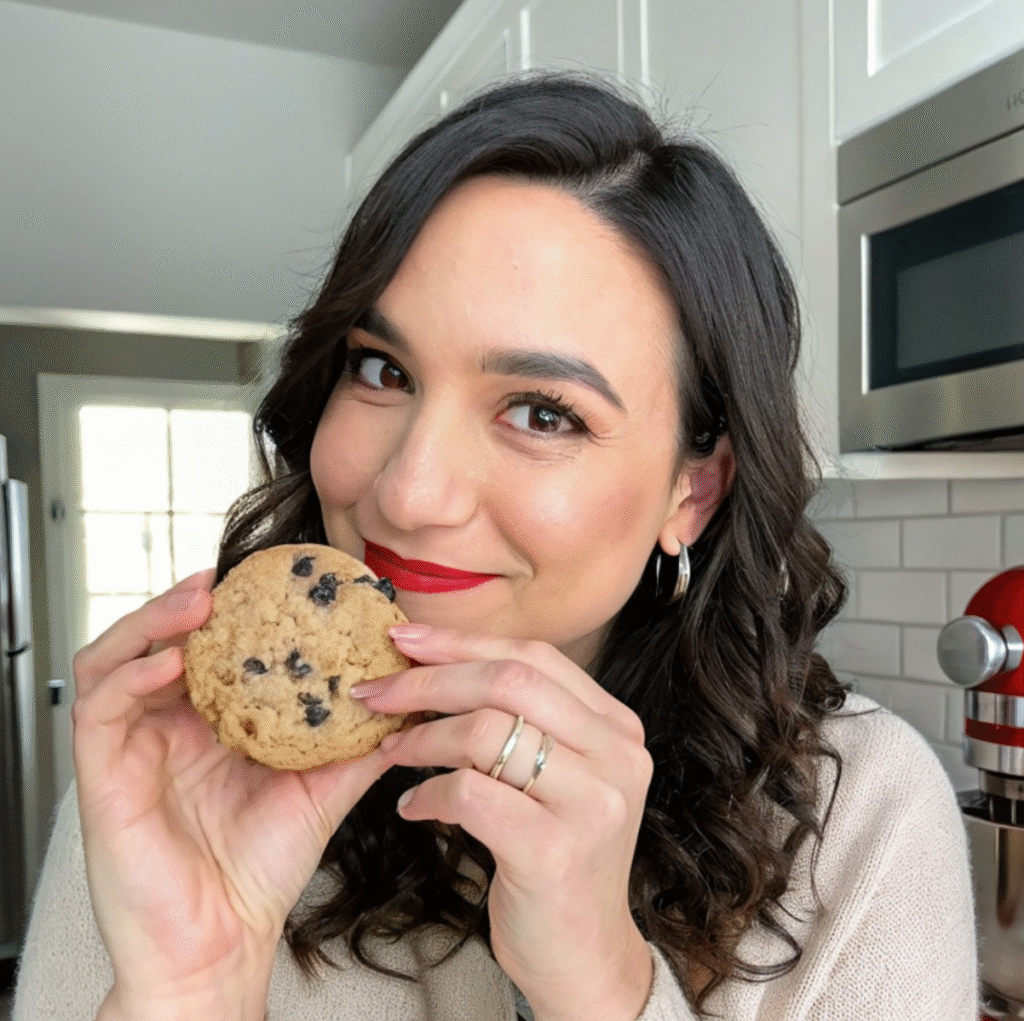
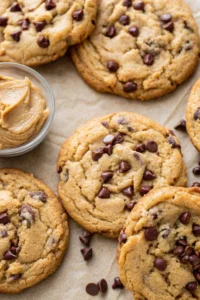
Coconut Ranger Cookies aren’t your typical cookie—they’re a nostalgic yet elevated treat blending crunchy oats, chewy coconut, and rich white chocolate in every bite. Unlike classic chocolate chip cookies, these have a rustic, hearty texture and a complex flavor profile thanks to browned butter and the optional marshmallow-stuffed twist. If you’ve ever wondered What is a coconut ranger cookie? or why these cookies hold a special place in American baking traditions, you’re about to uncover their delicious story, step-by-step baking tips, and expert variations to perfect them at home.

In this guide, we’ll break down everything you need to know about making the best coconut ranger cookies—from ingredients and equipment to pro tips that ensure bakery-quality results in your kitchen. We’ll also explore their origin, answer frequently asked questions (like Why are ranger cookies called ranger cookies?), and share creative flavor combinations for home bakers who want to experiment. By the end, you’ll have a foolproof recipe that’s chewy on the inside, crispy on the edges, and bursting with coconut goodness. Looking for inspiration? Try this collection of rustic cookie recipes on SweetCraft Recipes to complement your next bake.
Understanding Coconut Ranger Cookies
What Are Coconut Ranger Cookies?
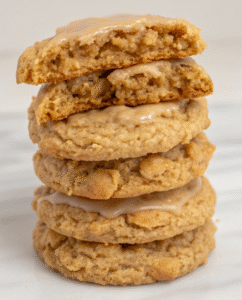
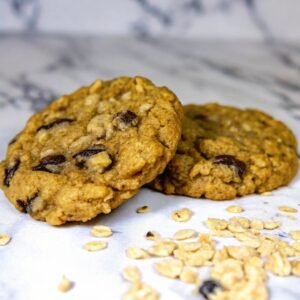
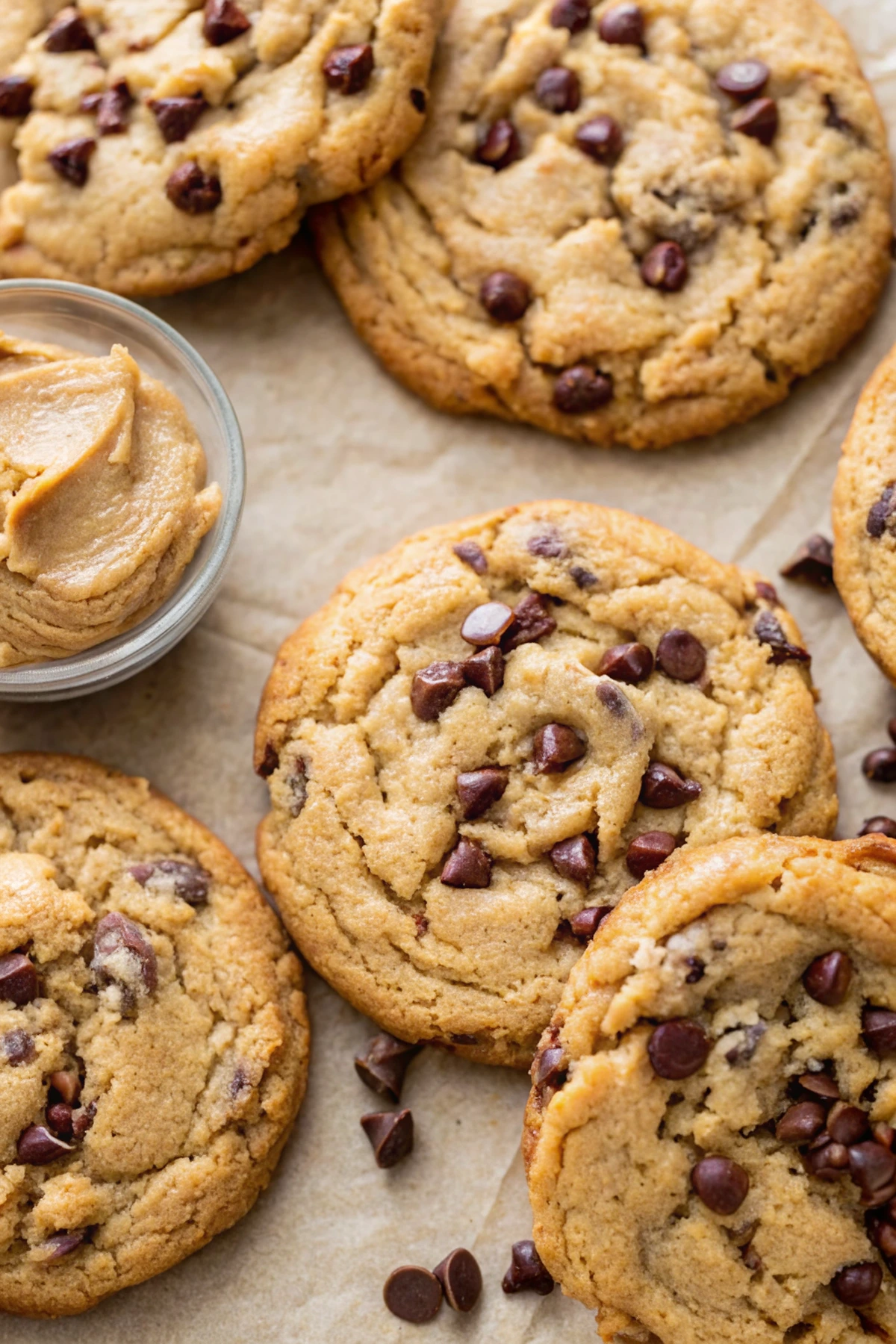
Coconut ranger cookies are a variation of the traditional ranger cookie—a classic American treat made with oats, coconut, and sometimes cornflakes for crunch. The coconut version amplifies the tropical sweetness and chewiness, turning a rustic cookie into something far more indulgent. They combine pantry staples like butter, sugar, and flour with mix-ins such as shredded coconut, rolled oats, and white chocolate chips, resulting in a cookie that’s both hearty and soft.
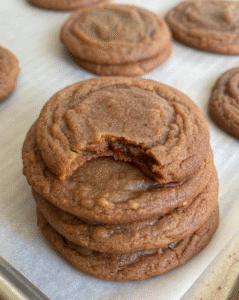
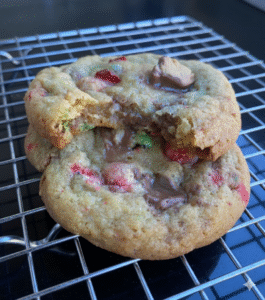
These cookies stand out for their texture contrast: crisp edges with a soft, marshmallow-like center (especially when stuffed). Adding browned butter to the dough enhances the flavor with nutty undertones, while chilling the dough ensures perfect spread and chewiness.
The History and Origin of Ranger Cookies
The exact origin of ranger cookies is debated, but they’re believed to date back to the early-to-mid 20th century in the United States. Some suggest they were named after the Texas Rangers due to their rugged, energy-packed ingredients—perfect for long days outdoors. Others link them to World War II-era home baking, when oats and coconut became popular pantry fillers.
Over time, bakers personalized ranger cookies with regional ingredients—pecans in the South, cornflakes in the Midwest, and, more recently, shredded coconut and white chocolate for a tropical twist. This flexibility is part of their charm: ranger cookies invite creativity without losing their nostalgic appeal.
Why Coconut Elevates the Flavor
Coconut adds chewiness and natural sweetness that balances the hearty oats and buttery dough. Toasting the coconut slightly before folding it into the batter deepens the flavor, offering subtle caramel notes. Whether you choose sweetened or unsweetened shredded coconut, it transforms the cookie into something more nuanced and bakery-worthy.
For those seeking indulgence, pairing coconut with white chocolate chips adds creamy bursts of sweetness in every bite. This combination is what makes coconut ranger cookies so crave-worthy and distinct from their plain ranger cookie cousins.
Essential Equipment for Perfect Coconut Ranger Cookies
Must-Have Tools for Success
To bake flawless coconut ranger cookies, having the right equipment is key. While you can improvise with basic tools, a few items streamline the process and ensure professional results:
- Mixing Bowls (1 Large, 1 Medium): Use one for wet ingredients and another for dry to avoid overmixing.
- Saucepan: Ideal for browning butter, which is optional but adds deep flavor.
- Electric Mixer: Speeds up creaming sugar and butter for a light, airy texture.
- Spatula or Wooden Spoon: Essential for folding in mix-ins without deflating the dough.
- Baking Trays and Parchment Paper: Ensures even baking and easy cleanup.
- Cooling Rack: Prevents soggy bottoms by allowing air circulation post-bake.
- Kitchen Scale: Guarantees precise portioning, especially for uniform cookies.
Discover great ideas like proper cookie tray spacing tips from SweetCraft Recipes to avoid uneven spreading and ensure professional-looking cookies.
Why Accurate Equipment Matters
Cookies are deceptively simple but sensitive to small variations. Using a scale ensures each cookie bakes evenly, while parchment paper prevents sticking and excess browning. Browning butter in a saucepan develops complexity you can’t achieve with regular melted butter. These small upgrades transform good cookies into exceptional ones.

Ingredients Breakdown – Why Each One Matters
Core Ingredients
Butter (227g): Provides richness and moisture; browning enhances nuttiness.
Granulated Sugar (200g) + Brown Sugar (220g): The blend balances crisp edges (granulated) and chewiness (brown sugar’s molasses).
All-Purpose Flour (250g): Creates structure while keeping the cookie tender.
Baking Soda (4g): Lifts and spreads the cookies for a rustic shape.
Cornstarch (4g): Softens texture and helps retain moisture.
Dried Nonfat Milk Powder (3g): Intensifies flavor and browns better during baking.
Salt (2g): Enhances sweetness and balances flavors.
Eggs (109g): Bind ingredients and add richness.
Vanilla Extract (10g): Rounds out flavor with warm notes.
Old-Fashioned Rolled Oats (100g): Adds hearty chew and structure.
Shredded Coconut (100g): Star ingredient for tropical sweetness and texture.
White Chocolate Chips (100g): Adds creamy sweetness to contrast oats and coconut.
Mini Marshmallows (Optional): Creates a gooey, stuffed center for extra indulgence.
Pro Tips for Browning Butter
Why Brown Butter?
Browning butter is optional but highly recommended for coconut ranger cookies. It caramelizes milk solids, producing a nutty, toffee-like aroma that pairs perfectly with coconut and oats. This technique elevates the cookie’s flavor from homemade to bakery-quality.
How to Brown Butter Correctly
- Melt butter over medium heat in a light-colored saucepan (for better visibility).
- Stir constantly as it foams and turns golden brown, releasing a nutty aroma.
- Remove from heat immediately to avoid burning.
- Let cool 10–15 minutes before adding to the dough.
Check out SweetCraft’s guide to flavor-boosting techniques for more ways to enhance baked goods effortlessly.
Step-by-Step Method Overview
Mixing Wet and Dry Ingredients
Combine browned butter with sugars until fluffy, then incorporate eggs and vanilla. In a separate bowl, whisk flour, baking soda, cornstarch, milk powder, and salt. Gradually combine wet and dry ingredients, being careful not to overmix—a key to chewy cookies.
Folding in Mix-Ins
Gently fold in oats, coconut, and white chocolate chips using a spatula. For stuffed cookies, wrap dough around mini marshmallows and seal well.
Chilling and Baking
Chill dough for at least 1 hour (or overnight for deeper flavor). Scoop 100g portions, place on lined baking trays, and bake at 350°F (175°C) for 11–13 minutes. Edges should be golden while centers remain soft. Sprinkle with flake salt after baking for a gourmet finish.
Flavor Variations and Customizations
Adding Nuts and Seeds
Enhance crunch and flavor by mixing in chopped pecans, almonds, or sunflower seeds. Toasting these nuts beforehand intensifies their flavor and complements the coconut’s sweetness.
Chocolate Swaps and Upgrades
Not a fan of white chocolate? Replace it with semi-sweet or dark chocolate chips for a richer cookie. For an extra decadent version, drizzle melted chocolate over cooled cookies.
Marshmallow-Stuffed Twist
For gooey centers, follow the optional stuffing step: flatten dough, place marshmallows inside, and seal. This technique mimics campfire s’mores while maintaining the chewy ranger texture.
Storage and Make-Ahead Tips
Storing Baked Cookies
- Room Temperature: Keep in an airtight container up to 5 days.
- Freezing Baked Cookies: Wrap individually in plastic wrap, then store in a freezer bag for 2 months. Thaw at room temp before serving.
Freezing Cookie Dough
Scoop dough into balls, freeze on a tray until solid, then store in a freezer-safe bag. Bake from frozen by adding 2–3 extra minutes to the bake time.
Discover more make-ahead baking hacks on SweetCraft Recipes’ storage guide.
Troubleshooting Common Issues
Why Are My Cookies Spreading Too Much?
Possible reasons:
- Butter too warm (didn’t chill dough).
- Incorrect flour measurement (too little flour).
- Baking tray too hot between batches.
Fix: Always chill dough and use a kitchen scale for accurate portioning.
Why Are My Cookies Too Dry?
Possible reasons:
- Overbaking beyond 13 minutes.
- Too much flour or oats in the mix.
Fix: Pull cookies when edges are golden but centers appear slightly underbaked—they’ll finish setting as they cool.
Serving and Presentation Ideas
Gourmet Presentation
Sprinkle cookies with flake salt right after baking for contrast. Stack on rustic trays lined with parchment for a farmhouse-style display.
Pairing with Beverages
These cookies pair beautifully with:
- Coffee: Balances sweetness with bitterness.
- Cold milk: Classic combo for chewy cookies.
- Coconut latte: Amplifies tropical flavor.
Looking for inspiration? Try pairing these cookies with other sweet tropical treats for a themed dessert spread.
FAQs
What is a coconut ranger cookie?
A coconut ranger cookie is a chewy oat-based cookie featuring shredded coconut for tropical sweetness and texture. It’s a variation of classic ranger cookies, often enriched with white chocolate chips.
What are ranger cookies made of?
Traditional ranger cookies combine oats, coconut, flour, sugar, and butter, sometimes including cornflakes or chocolate chips. They’re hearty, rustic, and perfect for customizable add-ins.
What is the Royal Caribbean famous cookie?
Royal Caribbean is known for their chocolate chip cookies—chewy, buttery, and baked fresh onboard. While not exactly ranger cookies, both share nostalgic homemade qualities.
Why are ranger cookies called ranger cookies?
The name likely comes from the Texas Rangers or as a nod to their rugged, energy-dense nature—ideal for outdoor rangers or travelers needing hearty snacks.
Coconut ranger cookies are more than just another cookie—they’re a nostalgic bite of Americana elevated with tropical flair. Combining hearty oats, sweet coconut, and creamy white chocolate, these cookies strike the perfect balance of chewy and crispy. Whether you enjoy them plain, marshmallow-stuffed, or with nutty add-ins, this recipe guarantees bakery-level results at home.
Check out SweetCraft Recipes’ full collection of rustic cookies for more inspiration and creative baking ideas to elevate your kitchen game.